The ongoing public debate surrounding the transformative tax reform bills before the National Assembly has been marred by misinformation and divisive rhetoric, according to statements from government officials and policy analysts. Critics and commentators have been accused of distorting the facts, inciting public outrage, and polarizing the country along regional lines.
Contrary to widespread claims, the government has assured Nigerians that the proposed reforms are not designed to favor states like Lagos or Rivers at the expense of others. Instead, the bills aim to improve the quality of life for all Nigerians, especially those struggling to make a living.
One of the most contentious issues is the suggestion that agencies such as NASENI (National Agency for Science and Engineering Infrastructure), TETFUND (Tertiary Education Trust Fund), and NITDA (National Information Technology Development Agency) will be dissolved by 2029. Government officials have debunked this claim, clarifying that the reforms merely propose a phased consolidation of earmarked taxes funding these agencies.
According to section 59(3) of the Nigeria Tax Bill, these taxes will be replaced with a unified tax structure, allowing the agencies to receive funding through budgetary provisions and explore alternative funding mechanisms. The transition period, which extends to 2030, offers ample time for adaptation, aligning with international best practices.
“It is a misrepresentation of facts to conclude that changing an agency’s funding source amounts to scrapping it,” officials stated. “Globally, leading nations in education, science, and technology do not rely on separate earmarked taxes for agency funding.”
The tax reforms are part of President Bola Tinubu’s broader fiscal policy agenda aimed at streamlining tax administration, creating a business-friendly environment, and fostering economic growth. Businesses in Nigeria have long complained about the burden of multiple taxes and levies, which have rendered the country uncompetitive for investment and hindered business growth.
“Overburdening businesses with numerous taxes has led many companies to relocate to other countries,” a government representative explained. “The tax reforms are designed to simplify the system, reduce redundancies, and ensure equitable resource allocation.”
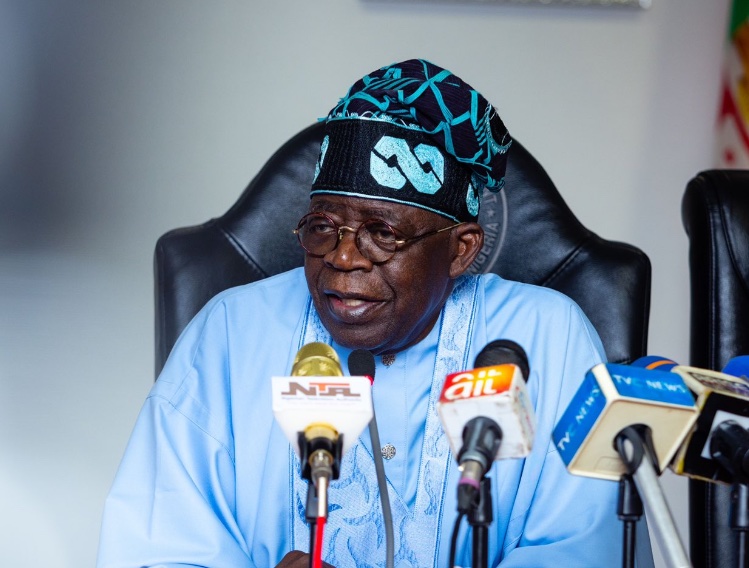
President Tinubu has welcomed the public interest in the tax reform bills and urged stakeholders to engage constructively. He emphasized the importance of fact-based discussions, encouraging Nigerians to participate in upcoming public hearings organized by the National Assembly.
“Leaders across the country, including Governors, Traditional Rulers, Civil Society Activists, and Professional Associations, must provide measured guidance on these crucial matters to avoid inflaming passions or heating the polity unnecessarily,” he said.
