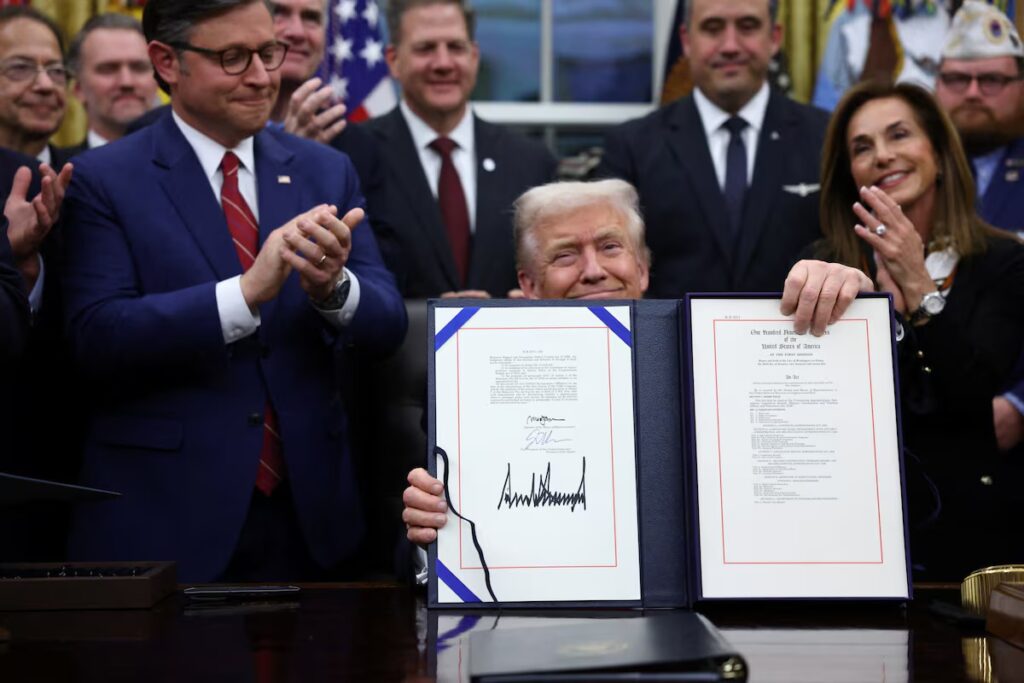
U.S. President Donald Trump on Wednesday signed legislation officially ending the longest government shutdown in American history, bringing relief to hundreds of thousands of federal workers and reopening key services that had been crippled for six weeks.
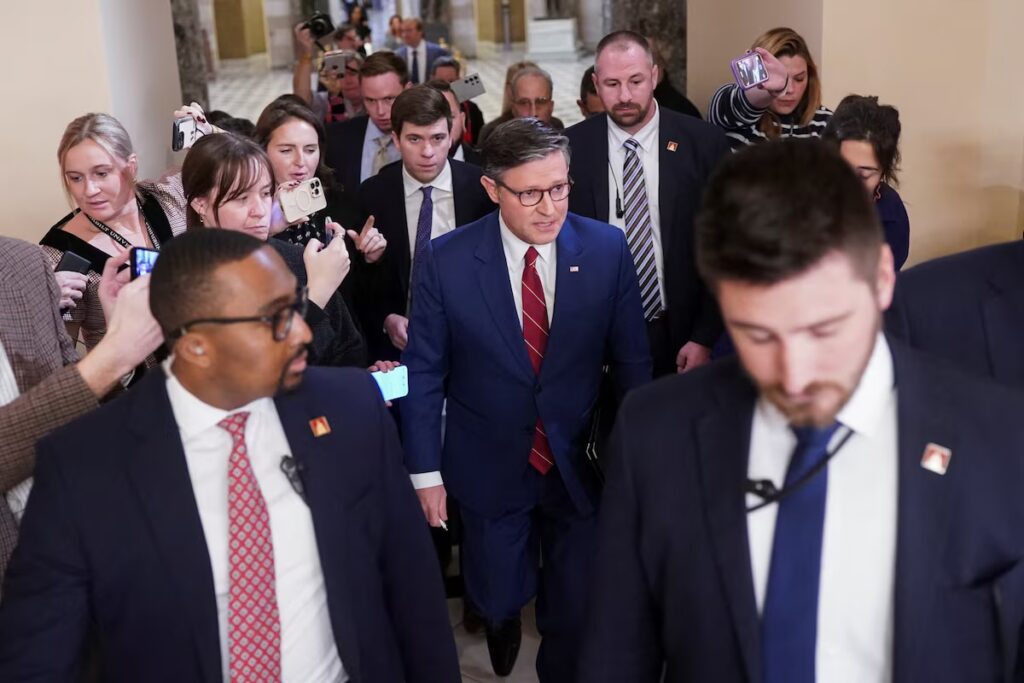
The House of Representatives earlier passed the spending package by a 222-209 vote, following Senate approval earlier in the week. The bill — backed by Trump’s Republican Party despite pushback from Democrats — will restore funding for critical federal programs, including food assistance, air-traffic control, and delayed health and welfare services.
“This is no way to run a country. We can never let this happen again,” Trump said during a late-night signing ceremony in the Oval Office, using the occasion to criticize Democratic lawmakers for what he called “partisan obstruction.”
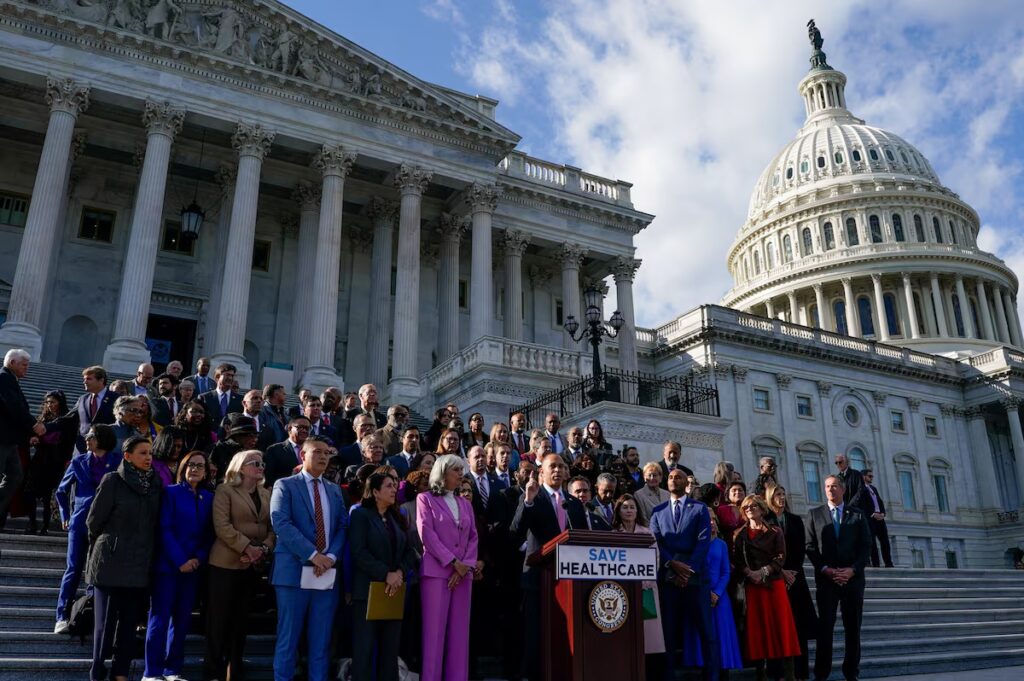
The agreement extends funding through January 30, providing only a temporary fix while leaving the government’s massive $38 trillion debt and annual $1.8 trillion deficit unresolved.
Republican Congressman David Schweikert of Arizona likened the political standoff to “a Seinfeld episode,” saying, “We just spent 40 days and I still don’t know what the plotline was.”
The shutdown, which stretched 43 days, had paralyzed parts of the U.S. economy — grounding air traffic, delaying food aid, and stalling federal data collection. Economists estimate it shaved over 0.1% of GDP per week, though much of that lost output is expected to rebound as operations resume.
With Thanksgiving and the holiday travel season approaching, analysts say reopening federal agencies should ease economic pressures and restore consumer confidence. However, the White House warned that some economic data for October — including employment and inflation reports — may never be released due to the disruption.
As federal employees return to work, the focus now shifts to Congress and the White House, which must find a long-term budget solution before the next funding deadline — or risk another shutdown early next year.
