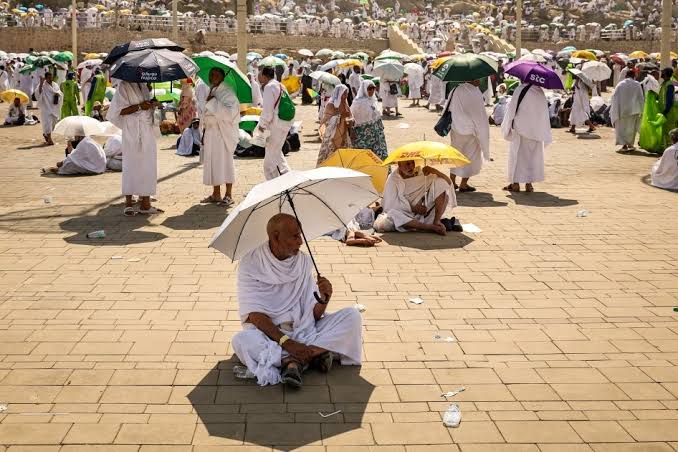
The deaths of 1,300 pilgrims during the 2024 Hajj in Saudi Arabia have underscored the urgent need to address the dangers posed by extreme heat. Analysts emphasize that improved crowd management and enhanced heat mitigation measures are essential to prevent further tragedies.
Last June, temperatures in Mecca soared to 51.8 degrees Celsius (125 degrees Fahrenheit) as 1.8 million worshippers participated in the annual pilgrimage, one of Islam’s five pillars. According to Saudi officials, 83% of the 1,301 recorded fatalities were among pilgrims without official Hajj permits, leaving them unable to access amenities such as air-conditioned tents.
The crisis highlighted the devastating impact of rising global temperatures, with 2024 confirmed as the hottest year on record by the Copernicus Climate Change Service. Diplomats reported that most deaths during the Hajj were heat-related.
Preparations for 2025 Hajj
While Saudi authorities have not yet detailed their preparations for the upcoming Hajj, set to begin in June, experts believe measures will focus on preventing the participation of unregistered pilgrims.
“They will likely prioritize reducing the risk posed by illegal pilgrims,” said Abderrezak Bouchama of the King Abdullah International Medical Research Center, who has collaborated with the Saudi government for more than three decades. He added that while long-term solutions like wearable heat sensors are under development, they are unlikely to be implemented this year.
Past responses to Hajj-related disasters have typically centered on infrastructure improvements and crowd control, according to Karim Elgendy of Chatham House. For 2025, he anticipates enhanced cooling infrastructure and stricter capacity limits to address heat risks.
Hajj permits are allocated through a quota system, but the high costs often push some pilgrims to attempt the journey without permits, risking arrest and deportation. The introduction of a general tourism visa in 2019 has made it easier for unauthorized pilgrims to enter Saudi Arabia, complicating enforcement efforts.
Heat Mitigation Efforts
Saudi authorities have already introduced measures to mitigate heat at holy sites. Air-conditioned spaces near the Kaaba, climate-controlled pathways between Safa and Marwa, and white cooling materials on roads have been implemented to reduce asphalt temperatures by 20%. Volunteers distribute water and umbrellas, and misting systems provide temporary relief.
Still, Bouchama emphasized that air conditioning remains the most effective measure. He urged the deployment of mobile cooling units among pilgrims, noting that hydration alone is insufficient to combat severe heat.
A Growing Challenge
The timing of the Hajj, determined by the Islamic lunar calendar, will continue to fall during the intense Saudi summer in the coming years. Experts warn that climate change will exacerbate the risks. A 2019 study published in Geophysical Research Letters predicted that from 2047 to 2052 and 2079 to 2086, heat stress during the Hajj will exceed the “extreme danger threshold.”
While the pilgrimage will eventually shift to cooler seasons, experts stress that ongoing efforts to address heat-related challenges are crucial. “Even if all measures aren’t in place by this year, they remain worth pursuing for future pilgrimages,” Bouchama said.
Saudi authorities have yet to comment on their plans for the 2025 Hajj, but they face mounting pressure to ensure safety for the millions of worshippers expected to attend.
