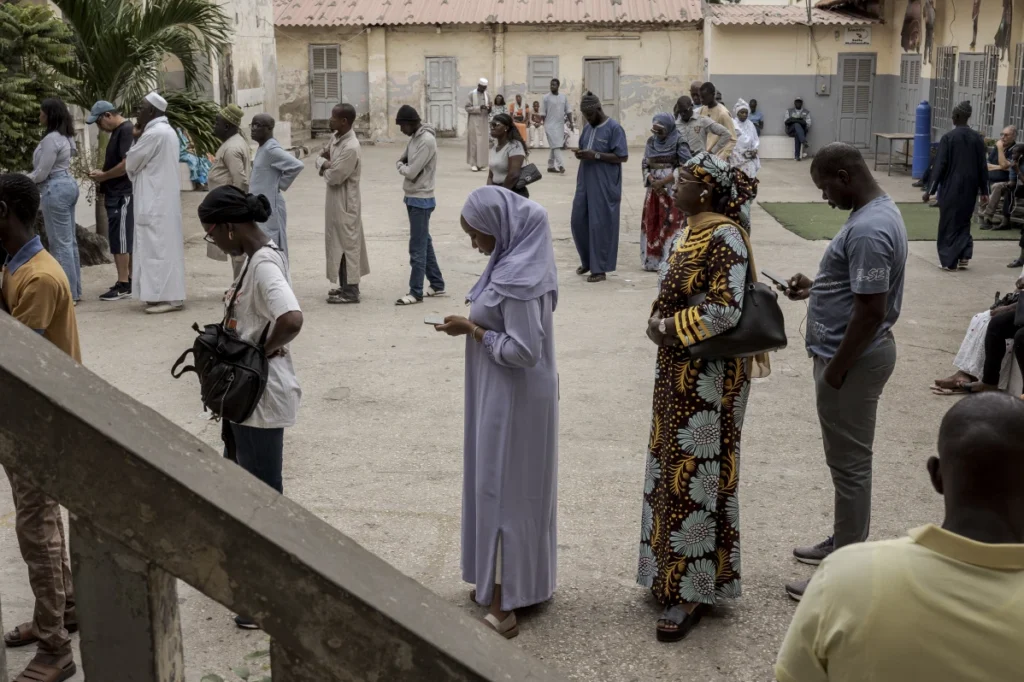
Senegal began tallying votes on Sunday after peaceful parliamentary elections that could determine the trajectory of President Bassirou Diomaye Faye’s ambitious reform agenda. The elections come just eight months after Faye’s rise to power, which sparked widespread hope among a youthful population grappling with high inflation and unemployment.
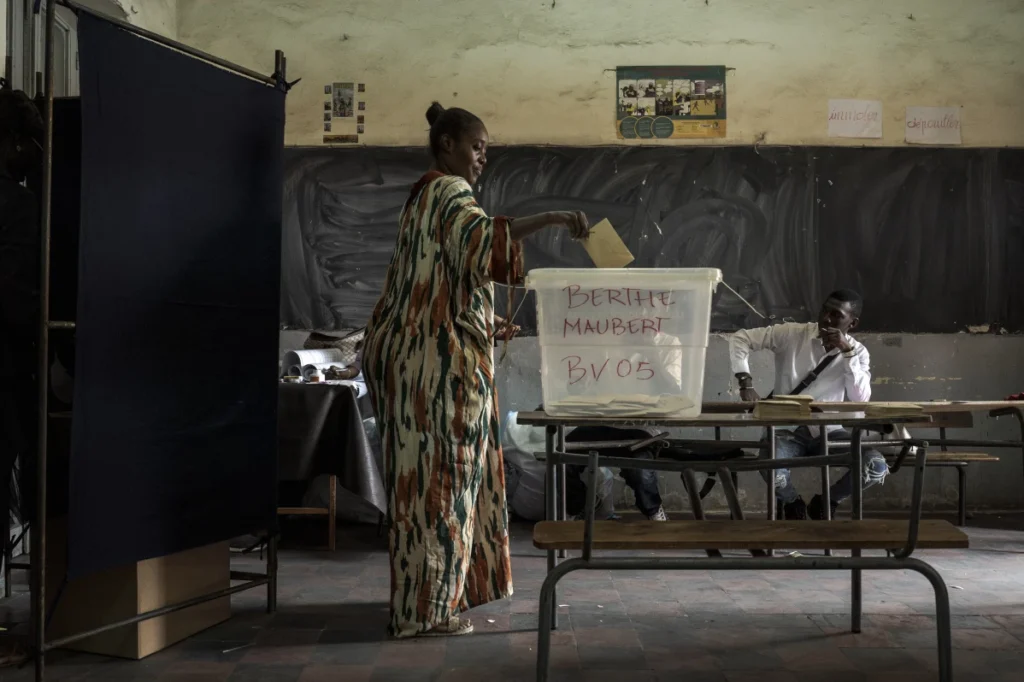
The vote, which observers described as calm, concluded at 6:00 PM in the capital Dakar, with counting starting immediately afterward. Early projections of the new parliament’s composition are expected by Monday morning.
A Push for Parliamentary Control
The ruling Pastef party, led by Faye, is widely favored to win a majority in the 165-seat National Assembly. This would give the government the legislative backing needed to implement sweeping changes, including tackling unemployment, revising resource contracts, and addressing corruption.
Faye’s government has faced significant resistance in its initial months, hampered by an opposition-dominated parliament. In response, Faye dissolved the chamber in September, triggering these snap elections.
“We want life to be less expensive for the Senegalese,” said voter Toure Aby, 56. “Everything’s expensive: water, electricity, food.”
Youthful Support and Pan-African Vision
Faye’s appointment of Ousmane Sonko as prime minister has further energized supporters. Sonko, a former opposition leader and advocate for a pan-African agenda, brings both popularity and controversy. His fiery rhetoric and calls for reform resonate with many young voters.
“It’s one of the only ways we can really have an impact on society,” said first-time voter Mademba Ndiaye, a 20-year-old student.
The government’s agenda includes renegotiating hydrocarbon and fishing contracts, diversifying international partnerships, and reducing dependency on foreign influence, all while addressing unemployment and inflation.
A Democratic Tradition Amid Regional Instability
Senegal remains a democratic beacon in West Africa, a region often plagued by coups and political instability. Faye and Sonko both emphasized the importance of peace and calm during the elections.
“Democracy is expressed in peace and stability,” Sonko said after casting his ballot in Ziguinchor, urging restraint despite earlier fiery rhetoric.
Challenges Ahead
The opposition, though fragmented, has accused the government of inaction and amateurism. Former president Macky Sall, now leading an opposition coalition from abroad, and other prominent figures such as Amadou Ba and Dakar Mayor Barthelemy Dias, have questioned the government’s ability to deliver on its promises.
Economic challenges loom large, with unemployment exceeding 20% and many Senegalese risking their lives attempting to migrate to Europe. The government’s efforts to stabilize prices and audit public finances are steps in the right direction but remain insufficient for many voters.
Looking Forward
The results of this election will shape Senegal’s political and economic future. Historically, parliamentary elections have reflected presidential mandates, and a Pastef victory could give Faye the mandate to pursue his reforms without obstruction.
As Senegal awaits the final results, the elections reaffirm the country’s democratic resilience and the high stakes of governance in a nation hungry for change.