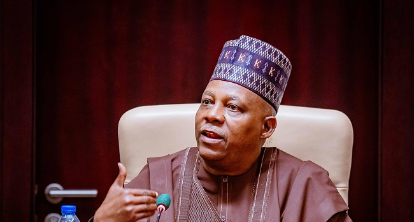
Vice President Kashim Shettima has urged immediate and unified efforts to close Nigeria’s widening skills gap, calling it a pressing national priority essential to driving economic transformation. Speaking at the 6th meeting of the National Council on Skills (NCS) held Thursday at the Presidential Villa, Shettima stressed the importance of building a workforce capable of meeting the country’s changing economic demands. “What binds us together supersedes whatever divides us. We have to make this country work. We need to fill in the skills gap,” he stated.
The Vice President reaffirmed the council’s mandate to develop a strategic and skilled workforce that can contribute meaningfully to national growth. He described the meeting as a collaborative platform where ideas were shared and crucial decisions were made. “This council was established with a clear mandate to drive the strategic development of the skilled workforce that can contribute meaningfully to national growth and prosperity,” Shettima said, emphasising the need for stakeholder collaboration, consensus-building, and strong leadership to overcome the country’s skills and employment challenges.
A major outcome of the meeting was the proposal for a National Skills Infrastructure Audit. This initiative aims to establish a comprehensive and centralised database of all training centres operated by Ministries, Departments and Agencies (MDAs). The audit will assess functionality, identify infrastructural gaps, and ensure alignment with national development goals and labour market needs. The council stressed that the success of the government’s human capital development strategy hinges on optimising the existing skills infrastructure.
Earlier in the session, the Minister of Housing and Urban Development, Ahmed Musa Dangiwa, presented the National Artisan Skills Acquisition Programme (NASAP), which seeks to train 10,000 artisans annually in high-demand construction trades. The programme is designed to professionalise Nigeria’s informal artisan sector through certification and digital inclusion. “NASAP aims to establish a reliable and competent artisan workforce to drive our housing and infrastructure goals while empowering Nigerian youth with market-ready skills,” Dangiwa said, highlighting the programme’s potential impact on job creation and long-term infrastructure development.
