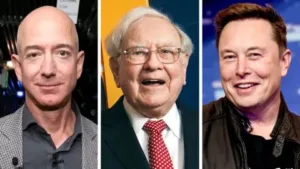
As the global economy heads into 2026, a small group of ultra-wealthy individuals are expected to wield outsized influence over financial markets and public policy. Their investment decisions, public statements, and political engagement could sway everything from stock prices and emerging technologies to regulation and government priorities.
Elon Musk remains the most closely watched. With major interests spanning electric vehicles, space exploration, artificial intelligence, and social media, Musk’s strategic moves often trigger immediate market reactions. His outspoken views on regulation, free speech, and technology policy also ensure he remains a powerful force in public debate.
Ray Dalio, founder of the world’s largest hedge fund, continues to shape market sentiment through his macroeconomic analysis and investment outlooks. Policymakers and investors alike closely follow his warnings and forecasts on debt, interest rates, and geopolitical risk, which can influence both capital flows and policy discussions.
Jeff Bezos retains significant sway through his holdings in e-commerce, cloud computing, logistics, and media. Decisions at Amazon and related ventures can affect global supply chains, labor markets, and antitrust conversations, keeping Bezos at the center of economic and regulatory attention.
Mark Zuckerberg, through Meta Platforms, remains a key figure in the future of digital communication, virtual reality, and artificial intelligence. As governments worldwide reassess data privacy, competition, and online safety, Zuckerberg’s strategy choices could shape both market valuations and regulatory frameworks.
Warren Buffett, though more reserved publicly, still commands enormous influence. Berkshire Hathaway’s investments are often seen as a vote of confidence in entire industries, and Buffett’s views on taxation, capitalism, and long-term investing continue to resonate with policymakers and the public.
Michael Dell, a major player in technology and private capital markets, rounds out the list. His investments and policy engagement particularly around education, innovation, and fiscal issues could play a growing role as governments look to the private sector for solutions to economic and technological challenges.
Together, these six billionaires sit at the intersection of capital, innovation, and power. In 2026, their actions are likely to help define market direction and influence policy debates at a time of economic uncertainty and rapid technological change. Visit www.jocomms.com for more news.
