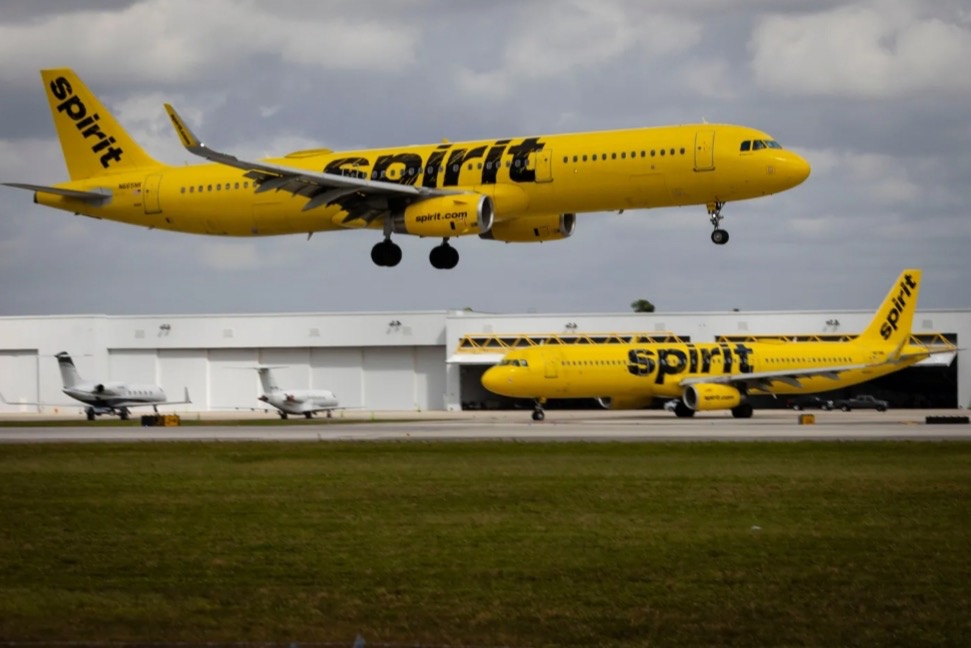
Spirit Airlines has filed for Chapter 11 bankruptcy protection for the second time in less than a year, marking another setback for the ultra-low-cost carrier as it struggles to stabilize its finances.
The filing, made in the U.S. Bankruptcy Court for the Southern District of New York, comes just five months after Spirit emerged from a previous restructuring. Despite reducing debt and raising new capital earlier this year, the airline cited continued financial headwinds, including weak leisure travel demand, excess industry capacity, mounting operational costs, and persistent debt pressures.
Spirit said it will use the court process to execute a sweeping overhaul of its operations, including redesigning its route network, optimizing its fleet, restructuring costs, and introducing a revamped three-tier fare system: Spirit First, Premium Economy, and Value.
“Today’s action is about building a stronger foundation for the future,” the company said in a statement, adding that it intends to continue flying throughout the process. Tickets, travel credits, and loyalty points remain valid, and no disruptions are expected over the busy Labor Day travel period.
The company’s stock plunged more than 40% in extended trading following the announcement. Spirit also expects to be delisted from the NYSE American exchange, with shares shifting to over-the-counter markets during restructuring. Analysts warn that a second bankruptcy in such quick succession sometimes referred to as “Chapter 22” heightens the risk of liquidation if recovery efforts falter.
Meanwhile, Spirit is reportedly exploring consolidation options, with renewed merger talks with Frontier Airlines under discussion. Such a deal could provide a lifeline, though no agreement has been reached.
For now, operations continue as usual, but Spirit’s ability to regain investor confidence and restructure effectively will determine whether the low-cost pioneer can secure its future or fade from the skies.
