Reported by Tahir Ishaq Shehu
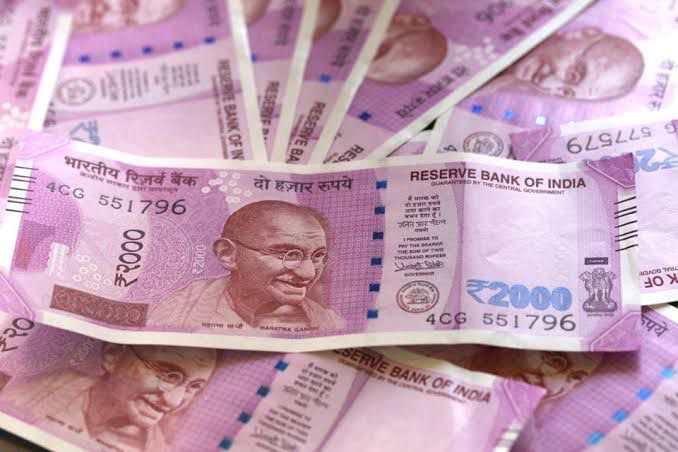
A spike in U.S. inflation, amplified by recent tariff measures, has boosted the U.S. dollar and sparked renewed pressure on the Indian rupee, which edged closer to a key psychological threshold amid outflows from domestic financial markets.
U.S. Inflation Surges, Rate Cut Hopes Diminish
U.S. consumer prices rose by 0.3% month-on-month in June, surpassing forecasts and marking the largest monthly increase since February. Analysts attribute part of the rise to import tariffs introduced earlier this year, which have begun to filter into consumer costs.
The hotter-than-expected data has significantly altered market expectations for U.S. monetary policy. Investors now anticipate just 44 basis points of rate cuts from the Federal Reserve this year down from earlier projections and see reduced likelihood of a rate cut in September.
Treasury yields climbed sharply in response, with the 30-year U.S. yield surpassing 5%, while the dollar index gained 0.5%, reaching a three-week high.
Rupee Slides Toward 86/USD
The Indian rupee traded near ₹85.90 to the dollar on Tuesday, approaching the closely watched ₹86 level. Market participants fear that breaching this level could trigger stop-loss orders and exacerbate the currency’s decline.
Foreign portfolio investors pulled $91.8 million from Indian equities and $30.7 million from bonds on July 14, adding to downward pressure on the rupee. While the Reserve Bank of India (RBI) has so far avoided direct intervention, interbank dollar sales provided some support.
Despite broader dollar strength, the rupee’s slide has been relatively orderly, aided by falling forward premiums. The one-year USD/INR forward premium dropped to 1.96%, and analysts expect it could fall further toward 1.90%.
Diverging Policy Paths Add to Volatility
The divergence in monetary policy expectations between the U.S. and India has become increasingly pronounced. While U.S. inflation is rising, India is witnessing some of the lowest inflation levels in six years. This contrast is prompting speculation that the RBI may resume rate cuts later this year, even as the Fed holds steady.
The narrowing interest rate differential has reduced the appeal of rupee carry trades and contributed to the softening in forward premiums.
Outlook
Market focus now shifts to upcoming U.S. producer price data and commentary from Fed officials, which could further influence global rate expectations. Domestically, the RBI’s stance and any signals of intervention in forex markets will be closely monitored as the rupee tests new lows.
“The rupee remains vulnerable in the short term as global yield differentials narrow and the dollar remains strong,” said a senior forex dealer at a private bank.
