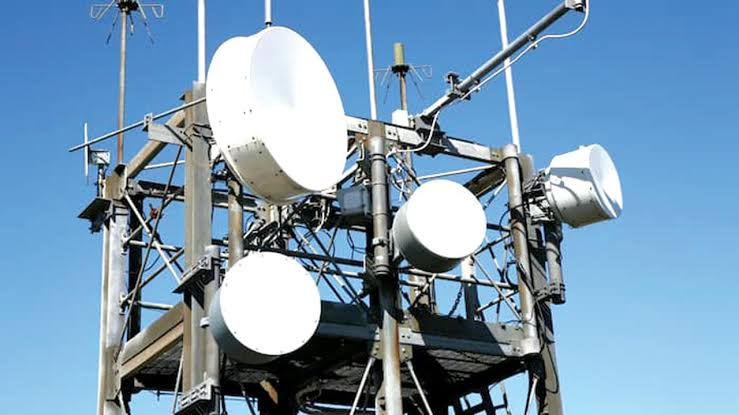
Nigeria’s telecommunications sector is set for a major financial relief as new tax reforms will abolish 26 state-level and 13 local government levies that have long hindered network expansion and investment.
The sweeping changes, spearheaded by the Presidential Fiscal Policy and Tax Reforms Committee (PFPTRC), aim to simplify the country’s complex tax structure, reduce operational costs for telecom operators, and attract fresh capital into the digital economy.
Under the proposed harmonisation, operators would pay only 12 statutory federal taxes—a sharp departure from the current system where companies face a fragmented mix of federal, state, and local government charges.
Industry stakeholders have long complained that the overlapping taxes not only inflate the cost of operations but also slow the rollout of critical infrastructure, especially in underserved rural areas. By eliminating these 39 levies, the government hopes to create a more business-friendly environment and restore investor confidence.
The reforms are part of a broader national strategy to drive digital inclusion, improve internet penetration, and position Nigeria as a competitive hub for technology-driven investment in Africa.
