President Bola Ahmed Tinubu has directed the formation of a high-powered committee to investigate the recurring tanker explosions across Nigeria and implement safety measures to prevent future tragedies.
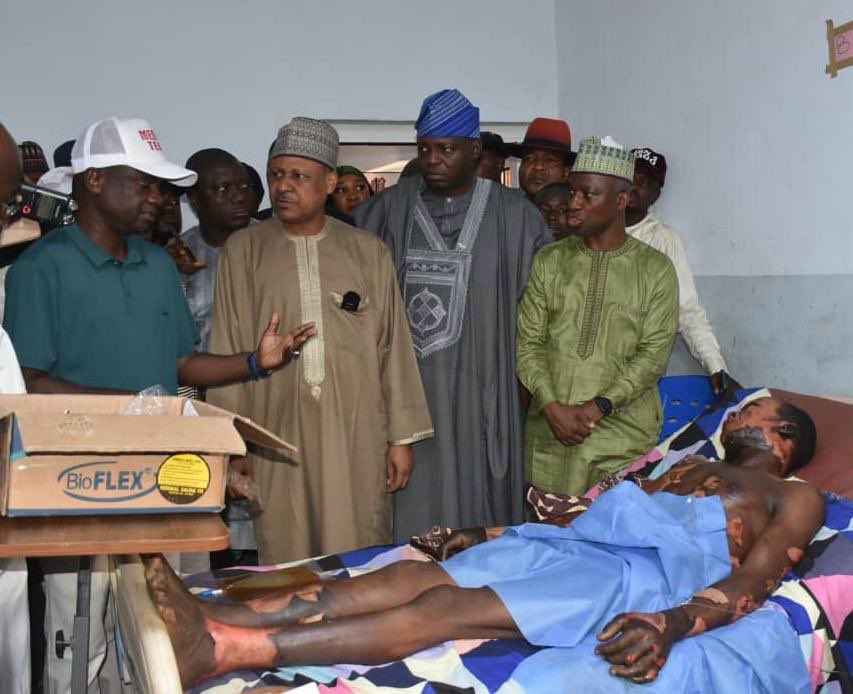
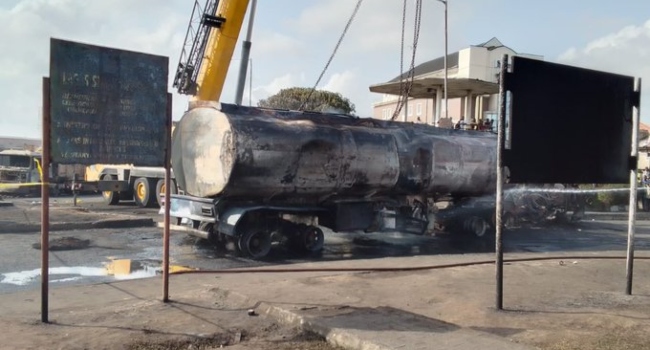
The announcement was made on Sunday by Minister of Information and National Orientation, Mohammed Idris, during a visit to the Palace of the Emir of Suleja. The visit was part of a federal delegation’s effort to commiserate with victims of Saturday’s devastating tanker explosion in Dikko Junction, Niger State. The tragedy claimed at least 86 lives and left 55 others injured, many of whom are receiving urgent medical attention in Suleja hospitals.
Committee Membership and Mandate
The proposed committee will include representatives from:
• The Ministry of Information and National Orientation.
• The Ministry of Humanitarian Affairs, Disaster Management, and Social Development.
• The Independent Petroleum Marketers Association of Nigeria (IPMAN).
• Tanker drivers’ associations.
• Other key stakeholders.
Minister Idris highlighted that the committee would investigate the causes of the explosions, assess safety lapses, and recommend measures to improve fuel transportation safety. Additionally, his ministry plans to launch nationwide enlightenment campaigns to educate Nigerians on road safety, safe handling of fuel, and the dangers of scooping fuel from fallen tankers.
Federal Delegation Visits
Idris was accompanied by the Minister of Humanitarian Affairs, Nentawe Yilwatda, and other top officials. The delegation visited hospitals treating injured victims and the Dikko Junction crash site, which now serves as a grim reminder of the hazards posed by fuel tanker accidents on Nigeria’s roads.
Growing Crisis
The Niger State tragedy is the latest in a series of deadly fuel tanker explosions that have plagued Nigeria. In January 2025, five lives were lost in a tanker explosion in Agbor, Delta State. Last October, over 170 people perished in a similar incident in Jigawa State.
The surge in tanker accidents coincides with Nigeria’s worsening economic crisis. Since President Tinubu removed fuel subsidies in May 2023, petrol prices have soared more than fivefold. Inflation peaked at 34% in mid-2024, while over 56% of Nigerians now live below the poverty line, according to the World Bank.
The scarcity and high cost of petrol have intensified risky behaviors, such as scooping fuel from fallen tankers, further compounding the problem.
The Way Forward
The committee’s formation is seen as a critical step toward addressing the systemic issues surrounding fuel transportation in Nigeria. However, experts have urged swift implementation of its recommendations and stronger regulatory enforcement to mitigate the risks.
As the nation grapples with economic hardships and public safety concerns, the government’s ability to prevent future disasters will be a litmus test of its commitment to the welfare of its citizens.
