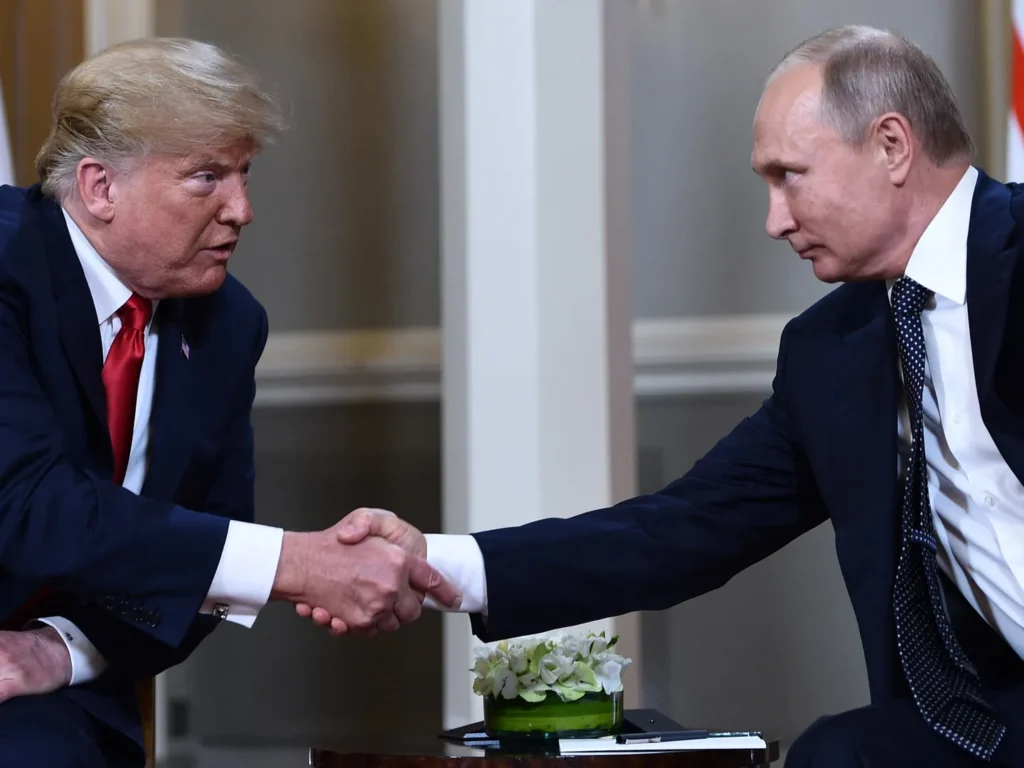
Ukraine is pushing for strong security guarantees from the U.S. as part of any peace deal, while Trump has floated a potential trade-off involving Ukraine’s rare earth minerals in exchange for continued U.S. military aid.
The Kremlin’s statement on the call was more restrained, acknowledging that Putin agreed with Trump on the potential for a long-term settlement but emphasized addressing what Russia sees as the root causes of the conflict—specifically, Western influence on Kyiv.
This week’s prisoner exchange between the U.S. and Russia—facilitated by Saudi Arabia—had already signaled a thaw in relations. Moscow released American teacher Marc Fogel, Belarus freed a U.S. citizen, and Washington released Russian cryptocurrency figure Alexander Vinnik.
Trump, who has long praised Putin, highlighted the Russian leader’s use of his campaign slogan “COMMON SENSE” and thanked him for Fogel’s release.
Meanwhile, European allies have expressed concern. The foreign ministers of France, Germany, and Spain stressed that a “just and lasting peace” must involve Ukraine and its European partners, not just negotiations between Washington and Moscow.
