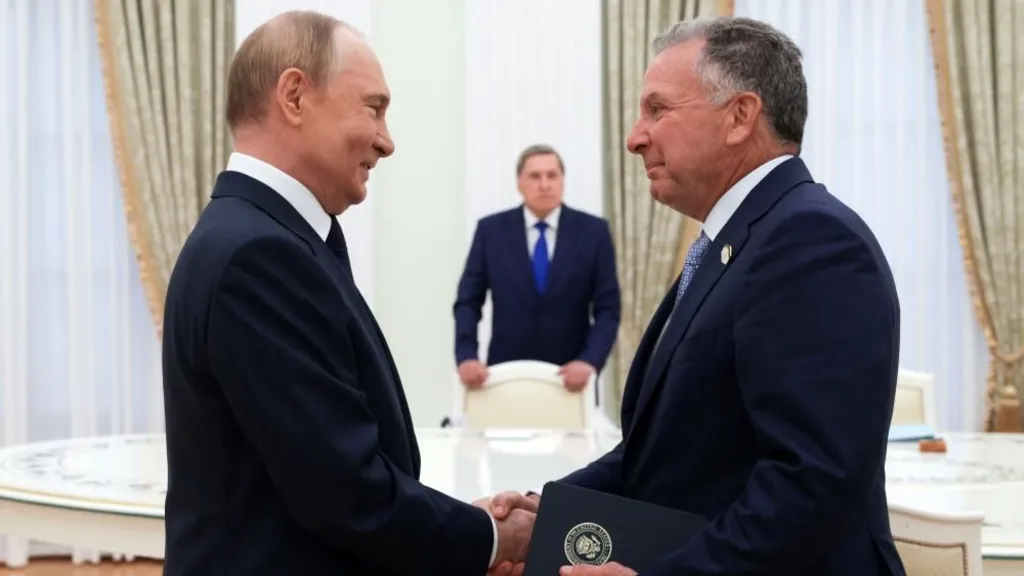
Donald Trump has expressed optimism regarding the potential for a summit with Russian President Vladimir Putin and Ukrainian President Volodymyr Zelensky, following “highly productive” talks in Moscow.
The US president confirmed that there is a “good chance” he could soon meet both leaders in person to discuss a potential end to the ongoing conflict in Ukraine. Speaking from the White House, Trump emphasized that his envoy’s discussions with Putin earlier that day were crucial in setting the stage for direct dialogue.
“There’s a very good prospect of meeting with Putin and Zelensky very soon,” Trump stated, although he refrained from offering specific details about the proposed summit.
Trump’s remarks come as the Kremlin described the talks between Putin and US envoy Steve Witkoff as “constructive,” hinting at a shift in diplomatic relations between the two nations. The US president’s commitment to peace comes ahead of a self-imposed Friday deadline for Russia to agree to a ceasefire, or face new sanctions from the US.
Trump’s call for immediate peace talks follows a troubling escalation in the war, including Russia’s ongoing airstrikes against Ukraine’s cities, despite international pressure for peace. The US also confirmed that Russia had expressed a desire to meet with Trump, who has previously indicated his willingness to broker peace. The White House further revealed that Trump has been in regular contact with European leaders to keep them updated on these developments.
Zelensky Reacts to Trump’s Outreach:
Ukrainian President Volodymyr Zelensky, speaking on the heels of Trump’s announcement, noted that while he was in communication with the US president regarding the Moscow talks, Ukraine would only see meaningful steps towards peace once Russia’s financial pressures mount. “Russia will only take real steps toward peace when it begins to run out of money,” Zelensky remarked, referencing the severe sanctions Russia continues to face from the West.
Zelensky’s administration has been warning that Russian aggression remains largely unchecked, despite Western support and the threat of secondary sanctions aimed at those trading with Russia.
White House Presses Forward with Military Support for Ukraine:
In tandem with diplomatic efforts, the Biden administration has approved an additional $200 million in military aid to Ukraine, including defense systems and drones. The Ukrainian government has been using drones effectively to strike Russian energy facilities, while Russia has escalated its airstrikes on Ukrainian cities.
The global economic ramifications of Trump’s secondary tariffs on Russia are already being felt, as the US president has announced a 25% tariff on Indian purchases of Russian oil, set to take effect later this month. This move is part of an ongoing effort to increase economic pressure on Moscow.
Trump’s Stance:
Despite his attempts at diplomacy, Trump’s stance on Russia has become increasingly firm. Reflecting on past talks, he stated, “We thought we had [the war] settled numerous times, and then President Putin goes out and starts launching rockets into some city like Kyiv.” The conflict, now in its third year, has seen little progress towards peace, with Moscow continuing to set preconditions that Ukraine and its Western partners have found unacceptable.
Kremlin and Western Diplomacy:
Meanwhile, Moscow’s position remains tough, with military and political preconditions for peace that continue to hinder significant progress. The Kremlin has rejected multiple calls from Ukraine for direct negotiations between Putin and Zelensky, signaling that further diplomatic efforts may be required to broker a lasting ceasefire.
As both sides prepare for what may be the most pivotal week in the war, analysts remain cautious, with no clear resolution in sight.
