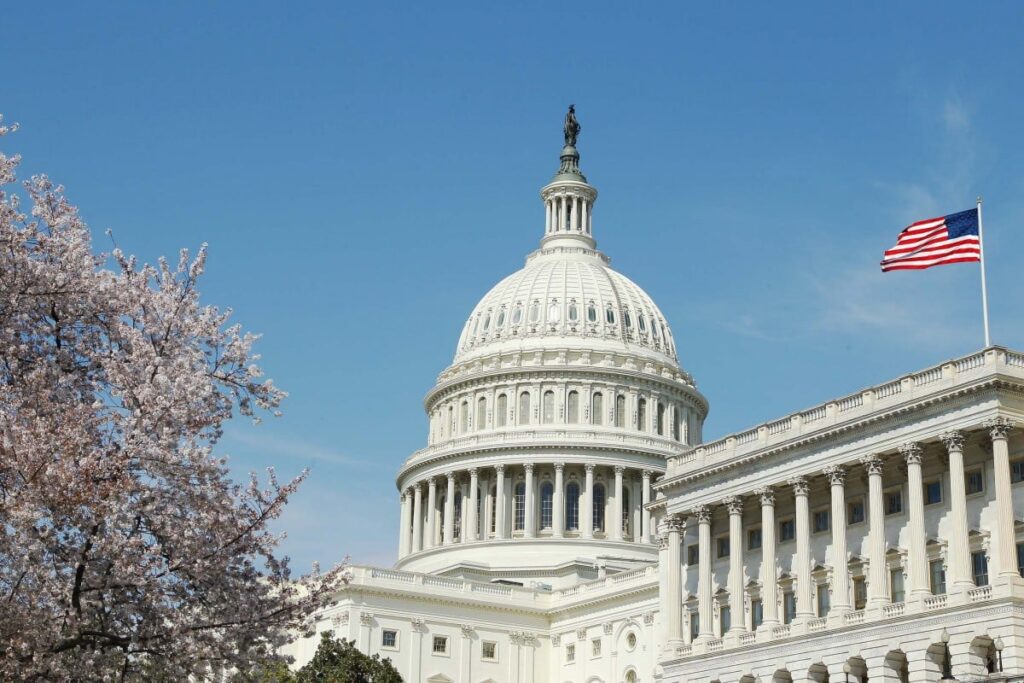
The United States government plunged into a partial shutdown on Wednesday, October 1, 2025, after Congress and the White House failed to reach an agreement on a critical funding bill. The deadlock, rooted in a contentious dispute over healthcare funding, is expected to cost the U.S. economy a staggering $400 million per day, with widespread disruptions already rippling across the nation.
The shutdown, which began at midnight, has furloughed approximately 750,000 federal employees, effectively halting non-essential government operations. Key services, including the release of critical economic reports, air travel oversight, and federally funded scientific research, have been suspended. Airports are bracing for delays as Transportation Security Administration (TSA) staffing shortages loom, while national parks and federal agencies have shuttered their doors.
The standoff stems from a rejected short-term spending bill in the Senate, where Democrats pushed for an extension of health benefits to be included in the package. Republicans, however, insisted on addressing healthcare funding separately, accusing Democrats of leveraging the issue for political gain ahead of the 2026 midterm elections. The polarized climate has left little room for compromise, with both sides digging in their heels.
President Donald Trump, addressing the nation from the White House, warned of “significant consequences” if the shutdown persists, hinting at potential job cuts for federal workers. Budget Director Shalanda Young echoed these concerns, stating, “This shutdown is avoidable, but it requires both sides to act in good faith. Every day we’re shut down, we’re burning $400 million in taxpayer money with nothing to show for it.”
Financial markets reacted swiftly to the uncertainty. Wall Street futures dipped in early trading, with the Dow Jones Industrial Average projected to open lower. Gold prices, often a safe haven during economic turmoil, surged as investors sought stability. Analysts warn that a prolonged shutdown could further erode consumer confidence and destabilize an already fragile economic recovery.
The political fallout is equally significant. Democrats, sensing an opportunity to energize their base on healthcare ahead of the midterms, have framed the shutdown as a Republican refusal to prioritize working families. Senate Majority Leader Chuck Schumer stated, “We will not back down on ensuring healthcare access for millions of Americans. This is about people, not politics.” Meanwhile, House Speaker Mike Johnson accused Democrats of holding the government hostage, declaring, “The American people deserve better than this manufactured crisis.”
As the shutdown stretches into its first day, the human toll is becoming apparent. Federal workers, many still recovering from the economic impacts of past shutdowns, face uncertainty over paychecks. Small businesses near federal offices are already reporting a drop in customers, and researchers warn that halted scientific projects could set back critical advancements in medicine and technology.
With no clear timeline for resolution, the nation braces for a prolonged battle. Political analysts suggest that the highly charged atmosphere, coupled with the looming midterm elections, could extend the shutdown for weeks. For now, Americans are left grappling with the consequences of a government at a standstill, as the daily $400 million price tag continues to climb.