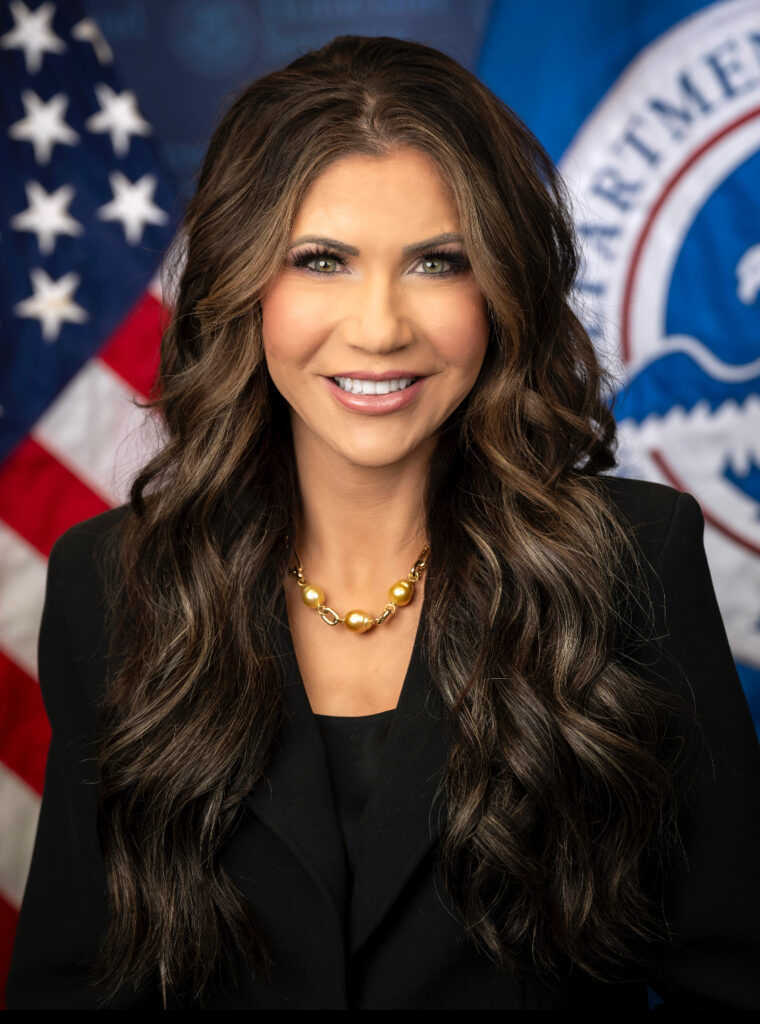
According to multiple reports, Homeland Security Secretary Kristi Noem said on Monday she met with Donald Trump and recommended a sweeping travel ban on “every damn country that’s been flooding our nation with killers, leeches, and entitlement junkies.” The remarks came shortly after a fatal shooting involving an Afghan national allegedly tied to a recent attack on U.S. National Guard members, an incident that has triggered renewed scrutiny of immigration and vetting processes.
Noem’s post on X — the social platform formerly known as Twitter — stirred widespread controversy. While she called for prioritising American safety and resources, the statement lacked clarity about which countries would be targeted or what criteria would determine who’s banned. Critics and human-rights observers warn that such sweeping rhetoric could vilify entire nationalities and undermine asylum and refugee protections already enshrined under U.S. and international law.
With the proposed ban still unformalised, much remains uncertain: Which countries would be included? On what basis? And how would lawful migration, refugee claims, and existing visa holders be treated? As the debate intensifies, will the call for a broad ban translate into enforceable policy — and what will be the human rights implications if it does?
