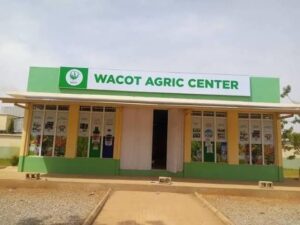
WACOT Limited, a member of the Tropical General Investments (TGI) Group, has received a €1.26 million grant from DEG Impulse under the develoPPP programme of the German Federal Ministry for Economic Cooperation and Development (BMZ). The funding aims to support a three-year project designed to empower 3,500 smallholder sesame farmers in Jigawa and Kebbi States, Nigeria.
Under the partnership, WACOT will match the grant amount, bringing the total project investment to approximately €2.52 million. The initiative seeks to promote sustainable and climate-resilient agriculture by helping farmers adopt organic practices and improve productivity.
Building on WACOT’s successful 2020 organic sesame pilot which more than doubled average national yields and secured ECOCERT organic certification, the new project will train farmers in organic cultivation techniques, provide certified inputs, introduce agroforestry models, and implement early-warning weather systems to mitigate climate risks. It will also facilitate farmers’ access to financial services and strengthen cooperative structures.
As part of the agreement, WACOT has committed to a 100 percent off-take of organically certified sesame from participating farmers, ensuring reliable market access and premium pricing.
According to the company, the initiative is expected to double farmer incomes, enhance climate resilience, and create at least 46 direct jobs within the value chain. The project is also aligned with several United Nations Sustainable Development Goals (SDGs), including those focused on poverty reduction, climate action, gender equality, and sustainable economic growth.
Speaking on the development, a WACOT spokesperson reaffirmed the company’s commitment to advancing Nigeria’s agricultural transformation through sustainable and inclusive models.
“This collaboration represents a major step toward building a resilient sesame value chain that benefits both farmers and the environment,” the spokesperson said.
The project is expected to commence implementation later this year across select sesame-producing communities in northern Nigeria.
