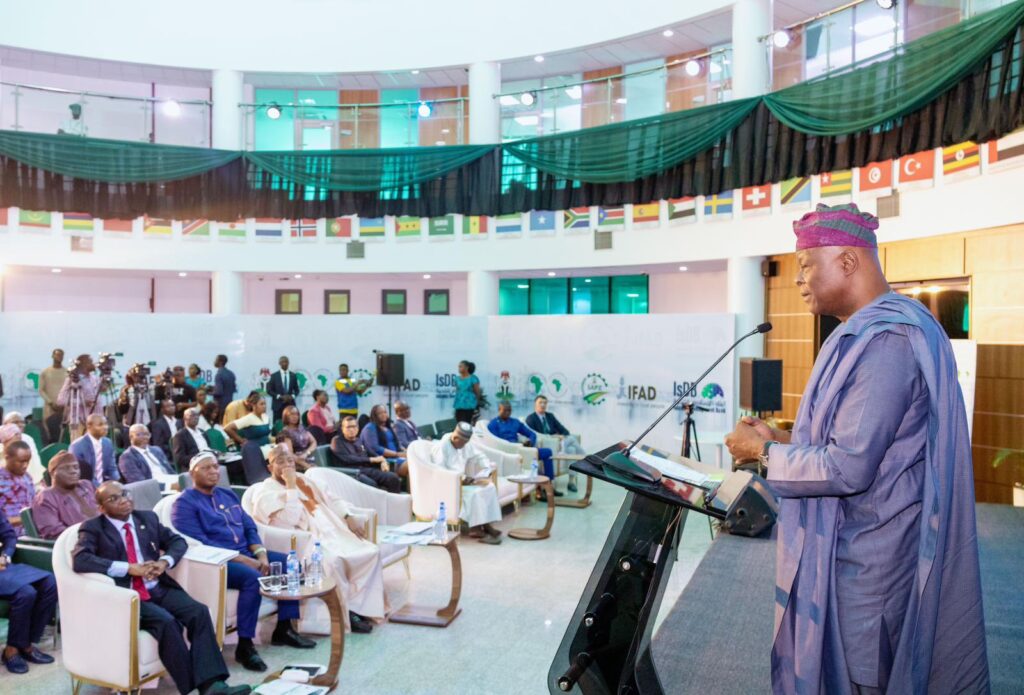
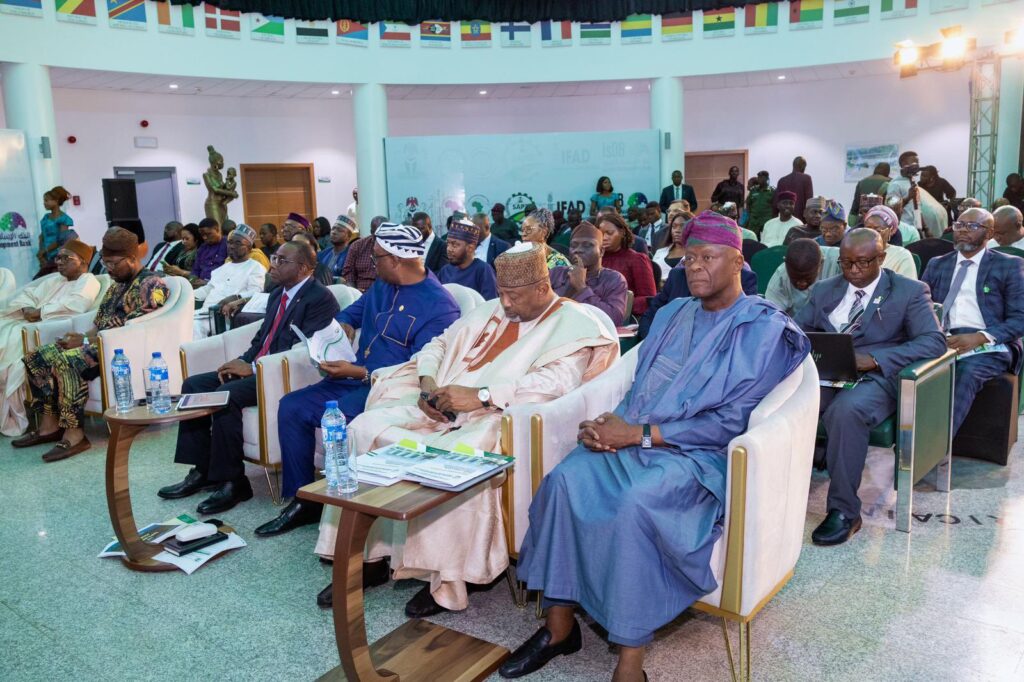
Honourable Minister of Finance and Coordinating Minister of the Economy, Wale Edun, emphasized the transformative potential of Nigeria’s Special Agro-industrial Processing Zones (SAPZ-1) programme during a high-level dialogue held on Monday at the African Development Bank (AfDB) Country Office in Abuja. The event, titled the “SAPZ-1 High-Level Implementation Acceleration Dialogue and States Steering/Technical Committee Workshop,” brought together key stakeholders from state governments, the private sector, and international development partners to address challenges and accelerate the implementation of the ambitious programme.
Edun underscored the SAPZ-1 programme as a strategic initiative aimed at industrialising Nigeria’s agricultural sector, fostering economic growth, and alleviating poverty. He highlighted the crucial role of private-sector collaboration in driving President Bola Tinubu’s vision of industrialisation and sustainable economic development. “The private sector is crucial for achieving the President’s vision of industrialization and sustainable economic growth,” he said.
The SAPZ-1 programme, supported by international financiers including the AfDB, Islamic Development Bank (IsDB), and the International Fund for Agricultural Development (IFAD), is currently being implemented in seven states and the Federal Capital Territory. Its aim is to boost agricultural production, create jobs, and enhance Nigeria’s global competitiveness in agriculture.
Edun stressed the urgency of successful wet and dry season harvests, linking them directly to inflation control, exchange rate stabilization, and long-term investment. “Our immediate priority is ensuring that food production meets the needs of Nigerians while setting the stage for long-term economic growth,” he stated, adding that a successful programme would directly impact inflation, interest rates, and the broader investment climate.
He also addressed the need for temporary food imports to bridge short-term supply gaps, assuring that such imports would not interfere with ongoing efforts to increase domestic production. Instead, they are intended to ensure food availability while positioning Nigeria for export opportunities in the future.
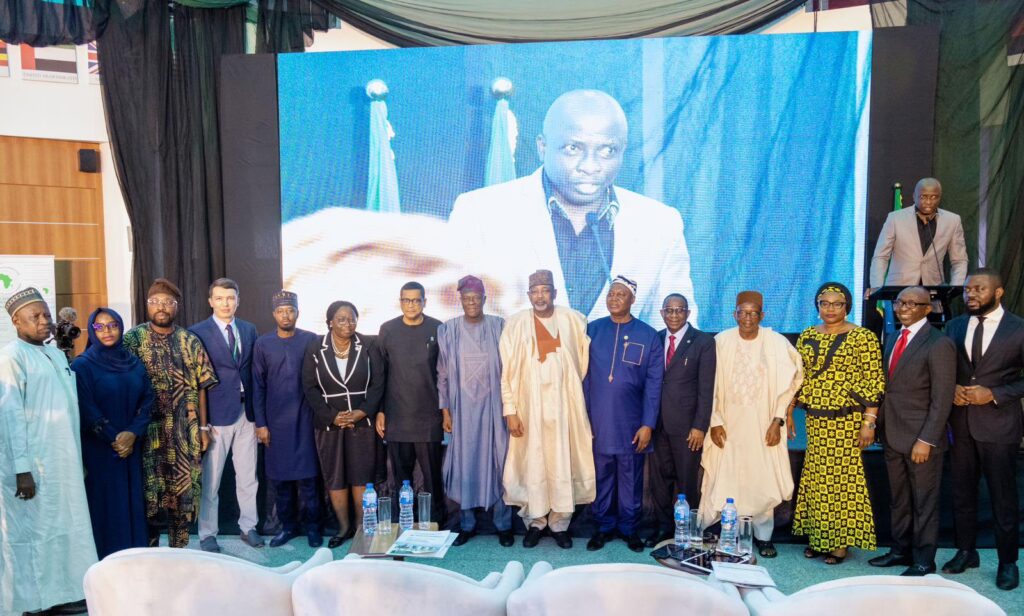
The workshop featured notable participants, including Sen. Abubakar Kyari, Minister of Agriculture and Food Security; Dr. Armstrong Takang, CEO of the Ministry of Finance Incorporated (MOFI); and Dr. Abdul Kamara, Director General of the Nigeria Country Department at the AfDB, alongside representatives from IFAD and IsDB. Discussions centered on overcoming bottlenecks and aligning stakeholders to achieve the ambitious goals of the SAPZ-1 programme, which aims to modernise Nigeria’s agricultural sector and drive sustainable economic growth.
