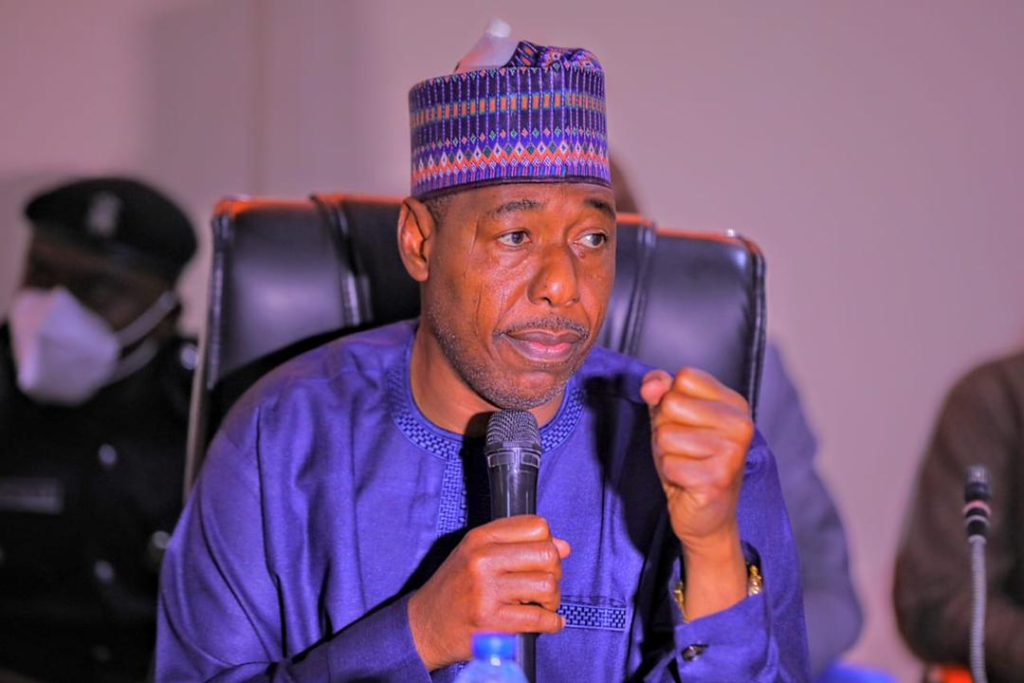
Borno State Governor, Prof. Babagana Umara Zulum, has launched the distribution of vital food palliatives to 57,647 households in Gamboru Ngala Local Government Area (LGA). This initiative aims to support residents during the lean season, providing much-needed relief for those still grappling with the aftermath of insecurity-induced hardships.
Gamboru Ngala and the Kala Balge LGA remain the only areas in Borno where ongoing palliative support is necessary. Despite efforts across the state, these regions have yet to fully resume farming activities due to the sustained insecurity that continues to impede agricultural progress. As part of his administration’s commitment to stabilizing the region, Governor Zulum emphasized the importance of returning to sustainable livelihoods through agriculture.
Represented by Alhaji Ali Abdullahi Isa, the Director-General of the State Emergency Management Agency (SEMA), Governor Zulum highlighted that while palliative support had been significantly reduced in other areas following a successful harvest last year, unique challenges in Gamboru Ngala necessitate continued assistance. Zulum reaffirmed that the focus would shift towards ensuring that residents can once again engage in farming, providing a more enduring solution to the area’s economic challenges.
“This intervention is to cushion the impact of hardship during the lean season. We discontinued aid in most LGAs after last year’s bumper harvest, but due to unique challenges here, we will continue with support while working with security agencies to ensure people return to their farms,” said Zulum.
Earlier in the year, the governor had announced a 90% reduction in palliative aid across the state, underscoring the need for long-term development initiatives that empower individuals and communities to be self-reliant. However, for Gamboru Ngala, where insecurity has crippled farming activities, the governor has decided to extend this assistance until conditions improve sufficiently to allow for a return to agricultural normalcy.
Governor Zulum’s approach reflects a broader strategy of sustainable empowerment, where the focus will be on rebuilding the region through agriculture and local development initiatives, moving away from perpetual aid dependency.
