The Federal Ministry of Finance has rejected recent media reports alleging hidden spending and diversion of federation revenue, describing such claims as a misinterpretation of the latest Nigeria Development Update by the World Bank.
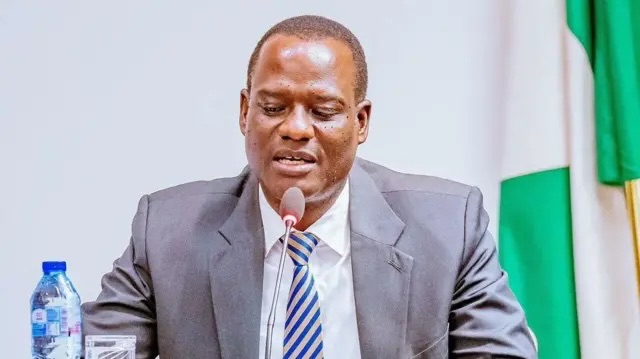
In a press statement issued on April 19, 2026, the Minister of State for Finance, Taiwo Oyedele, said the reports wrongly portrayed deductions by the Federation Account Allocation Committee (FAAC) as wasteful or missing funds.
According to the ministry, FAAC deductions include statutory transfers, savings and investments, security expenditures, cost-of-collection charges, refunds to Ministries, Departments and Agencies (MDAs), as well as transfers and interventions that benefit subnational governments. It stressed that such allocations are legitimate fiscal transactions and not leakages.
The statement further criticised the selective use of outdated data in some commentaries, noting that the World Bank report acknowledged ongoing reforms introduced in 2026 to improve transparency and revenue remittance. These include a recent Executive Order aimed at safeguarding petroleum revenue flows, which is expected to boost distributable revenue by about 0.4 per cent of GDP annually.
Highlighting broader economic trends, the ministry said the report paints a positive outlook for Nigeria’s economy, citing more diversified growth, easing inflation, stronger external reserves, and an improvement in debt indicators, including a reduction in the debt-to-GDP ratio.
The ministry emphasised that the World Bank did not conclude that Nigeria’s fiscal system is failing, but rather encouraged the continuation and deepening of reforms to sustain progress and promote inclusive growth.
Reaffirming its commitment, the Federal Government pledged to strengthen fiscal transparency, improve revenue mobilisation, and ensure efficient public spending. It also urged the media and stakeholders to engage responsibly with fiscal data to avoid misleading interpretations that could undermine public confidence in ongoing reforms.
