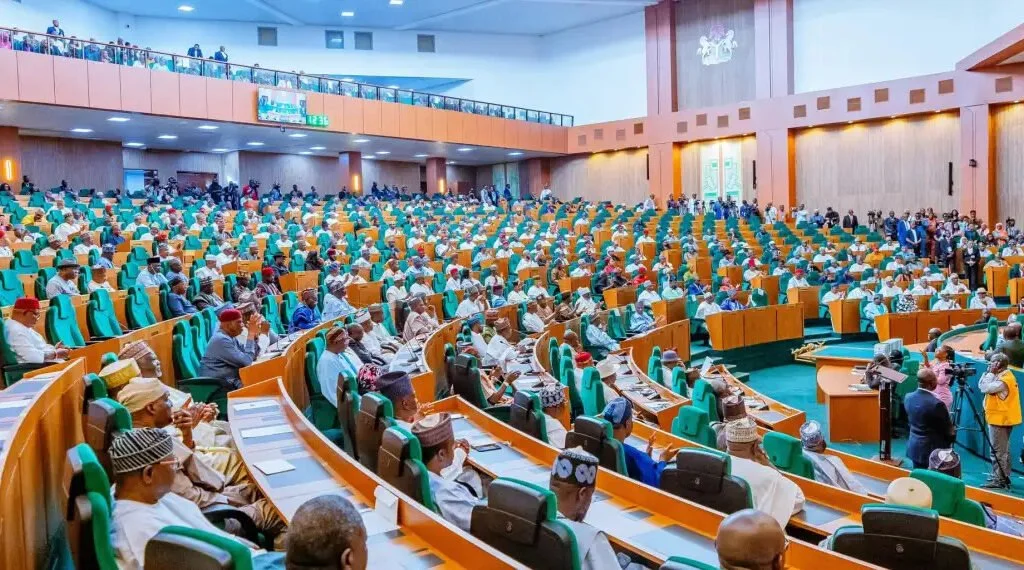
In a decisive move to address Nigeria’s worsening housing crisis, the House of Representatives has called on the federal government to work with state authorities to regulate rent increases across the country.
The resolution was passed during plenary on Thursday after lawmakers adopted a motion sponsored by Bassey Akiba, who represents Cross River State.
Akiba said the current economic climate has left individuals, households, and businesses struggling to cope—particularly tenants. He noted that rent prices often surge dramatically in areas where public infrastructure, such as roads and markets, have been newly constructed.
The lawmaker highlighted the situation in the Federal Capital Territory (FCT), where rent in areas with new roads has jumped from ₦800,000 to ₦2.5 million per year, describing it as an “unbearable financial burden” for residents.
He warned that “wanton exploitation” by property owners undermines government efforts to improve citizens’ welfare through infrastructure development. According to him, this exploitation drives many Nigerians into hardship and even criminal activity as they struggle to meet inflated rent demands.
Akiba emphasized the need for urgent reforms to balance the rights of property owners with the welfare of tenants, ensuring fairness, stability, and sustainability in the housing sector.
Following the motion’s adoption, the House urged the federal government to prioritize investment in affordable housing and ensure citizens have access to low-cost homes—thereby reducing pressure on the rental market.
Lawmakers also directed the Ministry of Housing and Urban Development to collaborate with state governments to “enforce rent control measures, ensuring that public infrastructure projects do not lead to exploitative rent hikes, and cap rent increases at no more than 20 percent of the existing rent, irrespective of infrastructure improvements or other factors.”
The committee on housing and habitat was mandated to ensure compliance and report back within four weeks for further legislative action.
This development comes as stakeholders in Nigeria’s real estate sector continue to warn about soaring land costs—one of the primary drivers of the nation’s housing deficit. Developers have repeatedly called for government intervention to lower land prices and make housing more accessible to low- and middle-income Nigerians.
#NigeriaHousingCrisis #RentControl #HouseOfRepresentatives