


The Federal Government is set to deepen engagement with state governors and emergency response agencies on the adoption of 112 as Nigeria’s national emergency number.
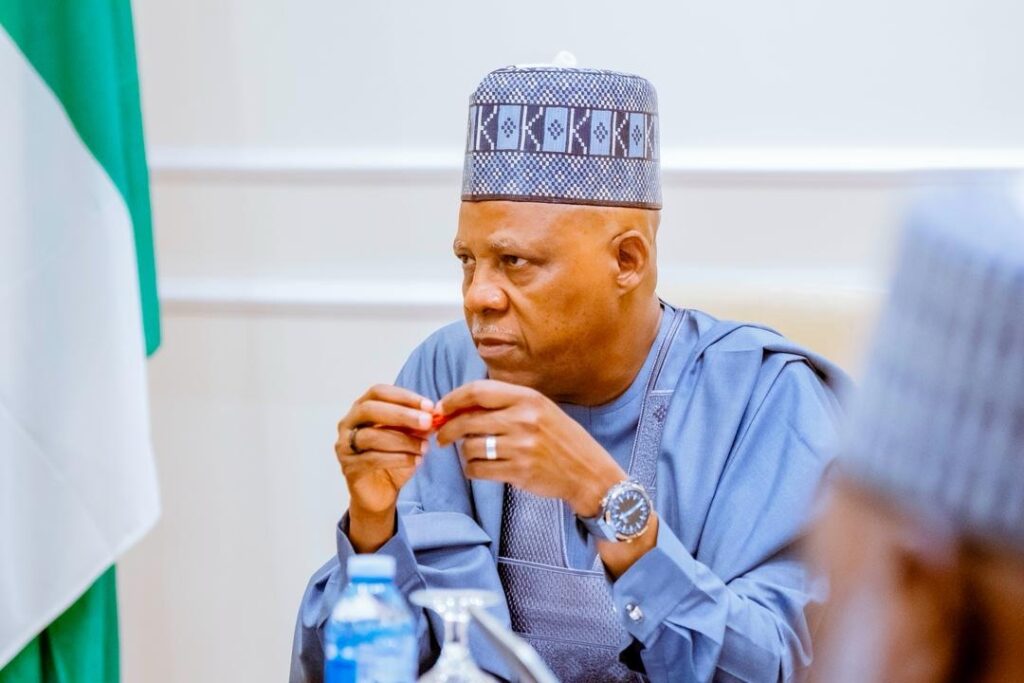
The move follows a meeting between a delegation from the Nigerian Communications Commission (NCC), led by the Chairman of its Governing Board, Chief Idris Ibikunle Olorunnimbe, and Vice President Kashim Shettima at the Presidential Villa in Abuja.
The development comes shortly after the National Economic Council (NEC), chaired by the Vice President, approved the adoption of 112 as the national emergency number for use across all levels of government and relevant agencies.
The initiative is aimed at strengthening Nigeria’s emergency response system and creating a unified national platform for responding to emergencies.
Addressing the delegation, Vice President Shettima directed that a comprehensive roadmap be developed to ensure the successful implementation of a single emergency number in line with global best practices.
He also instructed the NCC to work closely with the National Emergency Management Agency (NEMA), citing the agency’s experience in disaster management, relief operations and rehabilitation efforts nationwide.
The Vice President assured stakeholders that the project would receive sustained support, adding that funding would be mobilised through the National Economic Council and private sector partnerships.
He further called for stronger commitment and collaboration among emergency responders to ensure the success of the initiative.
Earlier, Olorunnimbe informed the Vice President that the NCC had established about 35 Emergency Communications Centres (ECCs) across the country using modern technology to support emergency response services.
He stressed the need for greater support from state governments and emergency response agencies to maintain the infrastructure and ensure the centres operate effectively.
According to him, the success of the initiative depends on seamless coordination among agencies, including the Nigeria Police Force, ambulance services, state emergency agencies and NEMA.
He described the project as a national responsibility aimed at ensuring that citizens in distress receive timely assistance whenever emergencies occur.
