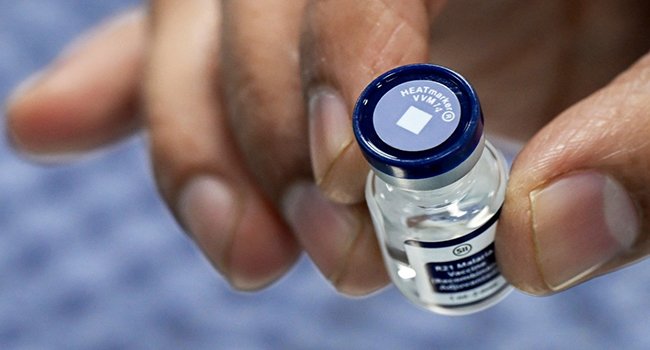
The Federal Government of Nigeria has officially included the malaria vaccine in the country’s national routine immunisation schedule, marking a significant step in combating one of the nation’s leading causes of child mortality.
The announcement underscores Nigeria’s commitment to reducing the prevalence of malaria, which has long been a public health challenge. Health officials say the inclusion of the vaccine will strengthen ongoing efforts to protect millions of children, particularly in high-risk areas.
Minister of Health and Social Welfare, Dr. Ali Pate, stated that the rollout aligns with the government’s strategy to improve healthcare delivery and achieve Sustainable Development Goal 3, which focuses on ensuring healthy lives and promoting well-being.
Key Details of the Vaccine Programme
The vaccine, which has undergone extensive trials and received approval from global health bodies, will initially be administered to children under the age of five. This demographic represents the most vulnerable population for malaria-related deaths in Nigeria.
Health experts have praised the move as a game-changer. Dr. Amina Bello, a public health specialist, noted, “The vaccine, when combined with other interventions like insecticide-treated nets and antimalarial drugs, can significantly reduce the malaria burden in Nigeria.”
Phased Implementation
The immunisation programme will roll out in phases, starting with pilot states identified as malaria hotspots. Over time, it is expected to expand nationwide. Health workers are being trained to administer the vaccine, and sensitisation campaigns are underway to ensure public awareness and acceptance.
Impact on Public Health
According to the World Health Organization, malaria is responsible for approximately 20% of child deaths in sub-Saharan Africa. Nigeria alone accounts for 27% of global malaria cases and 32% of malaria deaths, making this vaccine introduction a critical intervention.
By integrating the malaria vaccine into routine immunisation, the government hopes to drastically reduce these statistics, improve child survival rates, and enhance overall public health outcomes.
Global and Local Support
The initiative is supported by international partners, including the World Health Organization (WHO), UNICEF, and Gavi, the Vaccine Alliance. Local governments and healthcare organizations are also collaborating to ensure the programme’s success.
Outlook
As the rollout begins, public health authorities have urged parents and caregivers to bring their children to immunisation centres. “This is a historic moment for Nigeria’s health sector,” Dr. Pate said. “Together, we can turn the tide against malaria and save countless lives.”
The inclusion of the malaria vaccine is widely viewed as a milestone in Nigeria’s fight against infectious diseases, providing hope for a healthier future for the nation’s children.
