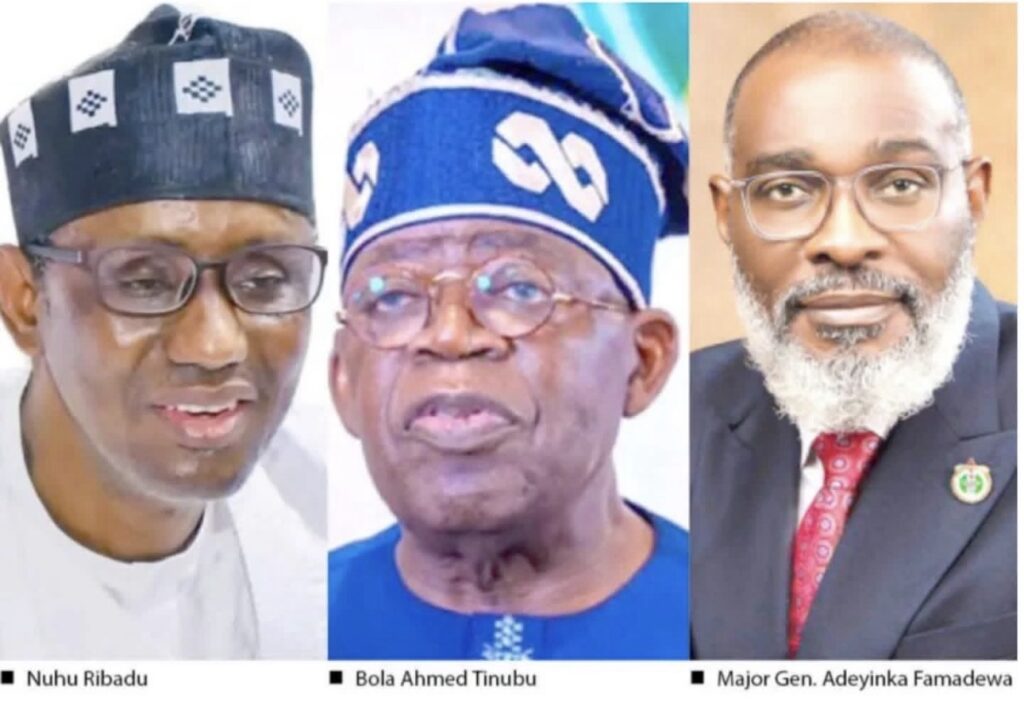
The appointment of retired Major General Adeyinka Famadewa as Special Adviser on Homeland Security by President Bola Ahmed Tinubu has generated fresh debate over the evolving structure of Nigeria’s security architecture under the current administration.
The newly created position is seen by many analysts as a strategic move aimed at strengthening intelligence coordination, inter-agency collaboration, and internal security management amid persistent security challenges across the country. According to official statements from the Presidency and the Office of the Secretary to the Government of the Federation (OSGF), the role is designed to improve intelligence-driven operations and proactive risk management.
Famadewa, a retired major general with more than three decades of experience in military intelligence, counter-terrorism, and national security strategy, previously served as Principal General Staff Officer to the National Security Adviser between 2015 and 2021. During that period, he played a key role in establishing the Intelligence Fusion Centre (IFC), a platform created to improve information sharing among major security agencies including the DSS, NIA, DIA, the Nigeria Police Force, and the Armed Forces.
However, the appointment has also raised questions among security experts and public affairs commentators regarding the exact mandate of the new office and how it fits within Nigeria’s already complex security structure. Some analysts argue that the country already has several institutions responsible for internal security coordination, including the Office of the National Security Adviser, the Ministry of Defence, the Nigeria Police Force, DSS, NSCDC, Immigration Service, and other agencies.
Observers are therefore seeking clarity on whether the office will function as a coordinating platform to bridge institutional gaps or become another layer within an already crowded security bureaucracy. Concerns have also been expressed over possible overlaps in responsibilities and whether the role will deliver measurable improvements in intelligence response, border security, and crisis management.
Despite the debate, supporters of the appointment believe Famadewa’s background in intelligence fusion and national security reform positions him to help improve cooperation among security agencies and strengthen the administration’s broader security agenda. President Tinubu has expressed confidence that the appointment will enhance efforts toward achieving a safer and more secure Nigeria through better coordination of homeland security initiatives.
