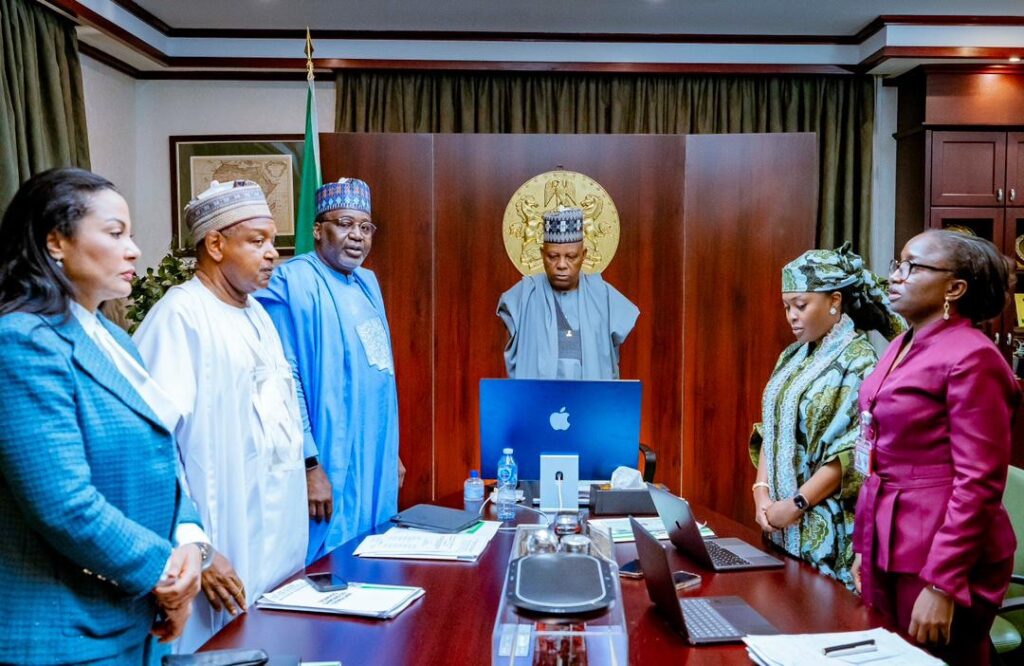
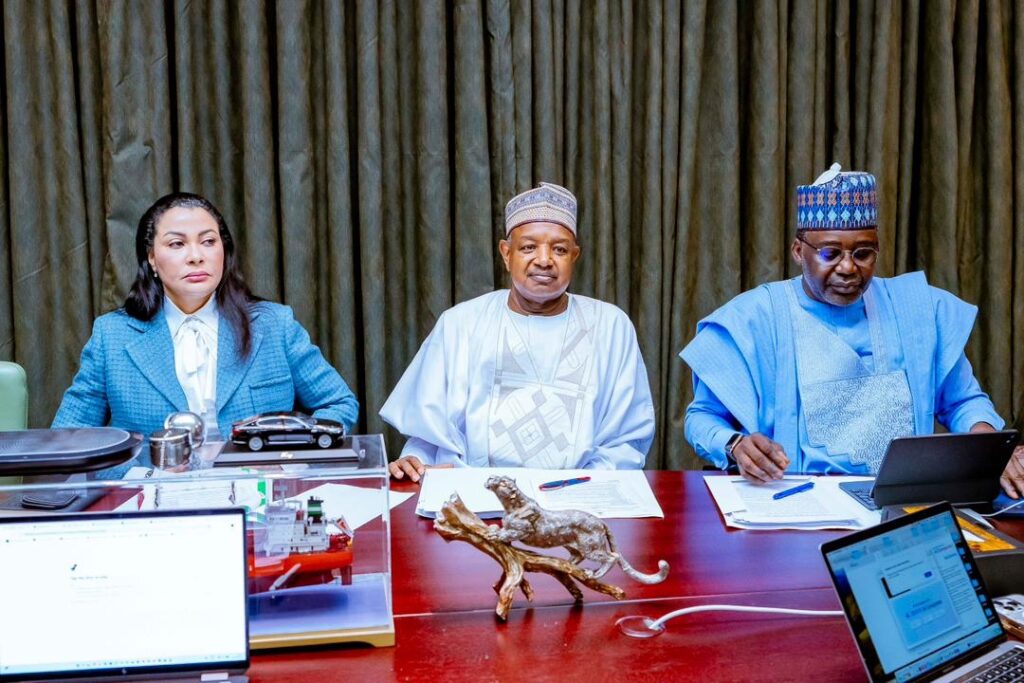
The National Economic Council (NEC) has approved the adoption of 112 as Nigeria’s official National Emergency Number across all levels and relevant agencies, in a move aimed at strengthening the country’s emergency response system.
The decision was taken at the 157th NEC meeting held virtually and chaired by Vice President Kashim Shettima.
NEC also approved the establishment of a multi-agency implementation committee and programme coordination mechanism to be led by the Office of the Vice President and the Nigerian Communications Commission (NCC).
Vice President Shettima said the adoption of a unified emergency number is necessary to eliminate delays caused by bureaucratic bottlenecks, stressing that citizens require swift response during emergencies such as accidents, disasters, insecurity, and medical crises.
“This is not only a technical reform. It is a test of the state’s humanity. In moments of fire, accident, robbery, medical emergency, flood, violence, or panic, citizens do not need bureaucracy. They need response,” he said.
He added that the 112 system must be supported with coordination, standard operating procedures, public awareness, institutional ownership, and trust to ensure effectiveness.
Shettima further urged that NEC decisions must translate into tangible impact for Nigerians, saying governance will ultimately be judged by outcomes rather than meetings held.
“We cannot build our way to a one-trillion-dollar economy by federal effort alone… History will not ask how many meetings we held. It will ask what changed because we met,” he stated.
The Council also received and commended progress reports on the rehabilitation of police training institutions nationwide, presented by an ad hoc committee led by Governor Peter Mbah of Enugu State. NEC directed the Ministry of Finance to expedite the release of outstanding approved funds for the project and emphasized the need for equitable national coverage.
In another presentation, NEC approved the expansion of the ad hoc committee on polio eradication to include seven additional high-risk states: Jigawa, Kaduna, Bauchi, Niger, Yobe, Borno, and Adamawa.
The Council noted that vaccination efforts in 12 states are scheduled to commence from May 2, and urged governors to ensure effective oversight, coordination, and accountability in implementation.
NEC also considered a proposal on the Renewed Hope Cultural Project and Naija Season by the Federal Ministry of Arts, Culture, Tourism and Creative Economy. The initiative seeks to unify Nigeria’s cultural and tourism calendar and promote heritage sites, creative industries, and tourism assets nationwide.
The Council approved a proposed contribution of N200 million each by sub-national governments to support implementation and urged stronger engagement for successful execution of the programme.
On industrial development, NEC received a briefing on the National Industrial Policy (2025), which targets key sectors including agro-allied industries, solid minerals, oil and gas, pharmaceuticals, and manufacturing clusters.
The policy also includes the Nigeria Industrial Cluster Programme, which is expected to develop 76 industrial clusters with a projected revenue potential of $2.74 billion over 25 years.
NEC commended efforts to align state-level industrial strategies with the national policy framework.
The Council also received updates on national account balances as at April 27, 2026, including the Excess Crude Account, Stabilization Account, and Natural Resources Account.
