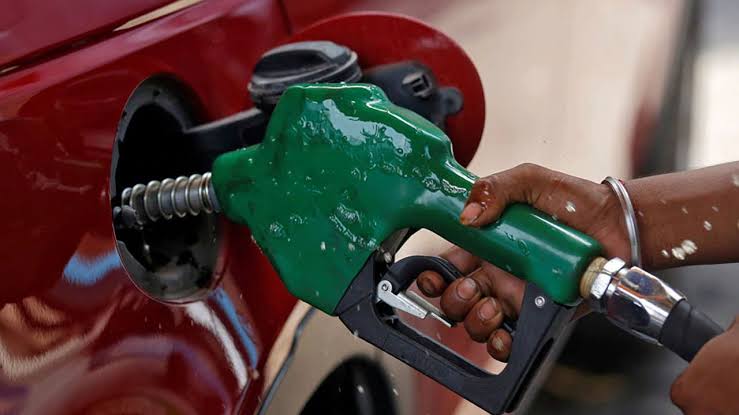
The cost of landing Premium Motor Spirit (PMS), commonly known as petrol, in Nigeria dropped by N36 to N900.28 per litre on Thursday, a 3.62% decrease from last week’s N936.75 per litre. This reduction was revealed in data released by the Major Oil Marketers Association of Nigeria (MOMAN).
Earlier in the week, the cost briefly dipped to N890.43, signaling fluctuations influenced by global market trends and supply chain adjustments. Despite this decline, the retail price of petrol remains high at N1,060 per litre.
Between December 10 and December 13, oil marketers imported 90,308 metric tonnes of PMS, equivalent to approximately 121.1 million litres, to meet domestic demand. Four vessels berthed at ports in Lagos, Warri, Rivers, and Calabar, carrying significant volumes of petrol.
• Warri Port: AYM Shafa imported 15,000 metric tonnes (21.12 million litres) aboard Stellar, which docked on December 10.
• Apapa Port: Kriti Ruby arrived on December 12 with 37,308 metric tonnes (50.03 million litres).
• Rivers Port: St Lady Meenah brought in 23,000 metric tonnes (30.84 million litres) on December 12.
• Calabar Port: Virgo 1 is scheduled to deliver 15,000 metric tonnes (20.12 million litres) on Friday.
The reduced landing cost highlights the relative affordability of imported PMS compared to domestically refined petrol, which remains expensive. Refined petrol from the Dangote Refinery costs N970 per litre, while the Port Harcourt Refining Company’s output is priced at N1,030 per litre.
Key factors driving these costs include crude oil prices and foreign exchange rates. Brent crude oil, a global benchmark, traded at $73.52 per barrel on Thursday, with an exchange rate of N1,533 per dollar.
Marketers are capitalizing on the price drop to boost supply and stabilize the market. However, experts warn that the gap between landing costs and retail prices underscores the need for further regulatory intervention and efficiency in Nigeria’s downstream petroleum sector.
