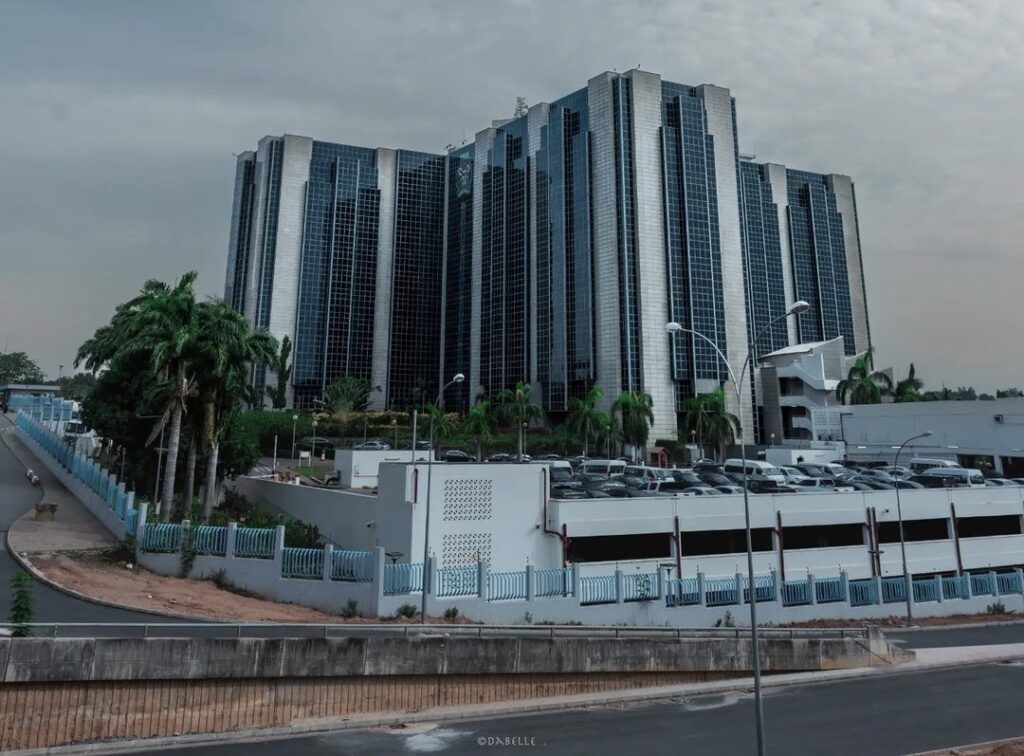
The Central Bank of Nigeria (CBN) has cited ageing pipeline infrastructure and operational inefficiencies as key factors behind the sharp decline in oil revenue during the third quarter of 2024.
In its latest economic report, the CBN revealed that oil revenue dropped by 24.72% to ₦1.30 trillion compared to the ₦1.73 trillion recorded in the second quarter of 2024. This figure also fell short of the quarterly target by 75.39%, primarily due to frequent production shut-ins caused by deteriorating pipelines and installations.
The report stated, “Oil revenue fell by 24.72% to ₦1.30 trillion relative to Q2 2024 due to lower receipts from petroleum profit tax and royalties. It was also 75.39% short of the quarterly target due to shut-ins arising from ageing oil pipelines and installations.”
Despite a modest rise in crude oil production from 1.27 million barrels per day (mbpd) in Q2 to 1.33 mbpd in Q3, Nigeria’s ability to meet its OPEC production quota continued to be hampered by theft, vandalism, and infrastructure deficits.
Global factors also played a role in the revenue slump, as the average spot price of Nigeria’s Bonny Light crude dropped by 5.45% to $82.23 per barrel, reflecting subdued demand in the global market. Similar declines were recorded in other crude benchmarks, including Brent and the OPEC Reference Basket.
While the oil sector faced significant challenges, the Nigerian economy experienced growth of 3.46% in Q3, up from 3.19% in the previous quarter. This growth was primarily driven by the non-oil sector, which contributed 3.18 percentage points to total GDP growth. In contrast, the oil sector’s growth slowed to 5.17% year-on-year, down from 10.15% in Q2, as operational inefficiencies and declining crude oil prices weighed heavily.
The fiscal implications of the declining oil revenue were substantial. Federally collected revenue fell 23.71% below the budget benchmark, despite a 7.48% quarter-on-quarter increase. The fiscal deficit narrowed by 22.51% compared to Q2 but widened by 43.88% relative to the quarterly target, reflecting persistent fiscal pressures.
The CBN report concluded that Nigeria’s goal of achieving an oil production target of 2 mbpd by the end of 2024 is under significant threat due to these structural and operational challenges.