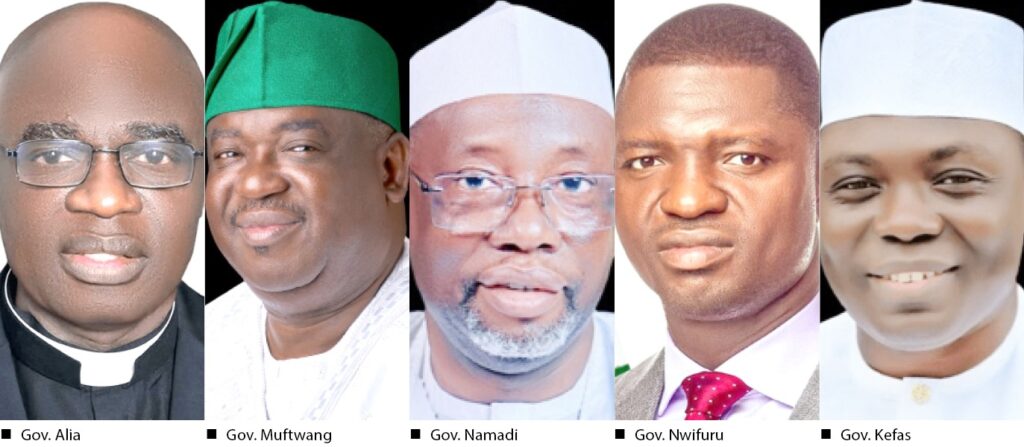
Indications have emerged that at least five governors of the All Progressives Congress (APC) may face difficult battles in their bids for second-term tickets ahead of the 2027 general elections, despite the party’s preference for consensus arrangements in several states.
While the APC is pushing for largely unopposed governorship primaries in some states, political tensions, intra-party disputes, and succession battles are already shaping a more competitive landscape than expected.
Investigations suggest that about 13 sitting APC governors are currently on track to secure automatic or unopposed nominations, with their primaries expected to be mere affirmations during the party’s scheduled exercise on May 21.
The governors reportedly in this category include Umo Eno (Akwa Ibom), Bassey Otu (Cross River), Sheriff Oborevwori (Delta), Francis Nwifuru (Ebonyi), Peter Mbah (Enugu), Umar Namadi (Jigawa), Uba Sani (Kaduna), Abba Kabir Yusuf (Kano), Dikko Umar Radda (Katsina), Nasir Idris (Kebbi), Umar Bago (Niger), Ahmad Aliyu (Sokoto) and Dauda Lawal (Zamfara).
However, party insiders say competition remains intense in several states, with Kwara recording the highest number of aspirants, where about 15 contenders are reportedly jostling for the governorship ticket. Adamawa, Oyo, Yobe, Bauchi, Nasarawa, Abia and Taraba are also witnessing significant interest.
States such as Benue, Ebonyi, Jigawa, Taraba and Plateau are being closely watched as potential flashpoints for internal APC struggles over second-term ambitions.
In Benue State, tensions between the Secretary to the Government of the Federation, George Akume, and Governor Hyacinth Alia are said to be influencing the political environment within the APC, with loyalists of both camps already positioning ahead of the primaries.
In Taraba State, Governor Agbu Kefas is reportedly facing resistance from multiple aspirants, including Sabo Kente, Mustafa Jaji and former Minister of Power, Saleh Mamman, amid unresolved disagreements over consensus arrangements.
In Plateau State, resistance has also emerged after Commander Yilchini Jan Bida entered the governorship race despite reported consensus efforts within the party structure.
In Ebonyi State, political tension is said to be building between Minister of Works, David Umahi, and Governor Francis Nwifuru over reported disagreements linked to succession arrangements and consensus-based endorsements.
Similarly, Jigawa State is witnessing emerging political tension between former Governor and ex-Minister of Defence, Mohammed Badaru Abubakar, and Governor Umar Namadi, as rival blocs within the party deepen internal divisions over control and influence.
In Adamawa State, reports suggest an indirect power struggle between Governor Ahmadu Umaru Fintiri’s political structure and influential stakeholders in Abuja backing different aspirants, including Ahmed Galadima Aminu and Comrade Mustapha Salihu.
In Yobe State, six APC governorship aspirants have rejected the reported adoption of former Secretary to the State Government, Baba Mallam Wali, as consensus candidate, insisting on an open contest.
The aspirants include Senator Ibrahim Bomai, Bashir Sheriff Machina, Kashim Musa Tumsah, Mustapha Maihaja, Lawan Kolo Geidam and former Inspector-General of Police, Mohammed Alkali Baba.
In Gombe State, Governor Muhammadu Inuwa Yahaya is reported to have endorsed Jamilu Isyaku Gwamna as his preferred successor, ahead of other aspirants including former Minister Isa Ali Pantami and Senator Saidu Alkali.
In Kwara State, multiple aspirants are also in contention as Governor AbdulRahman AbdulRazaq is expected to determine a preferred candidate among several interested politicians.
A political analyst, Jide Ojo, has advised the APC to adopt direct primaries in states where consensus arrangements are already generating tension, warning that imposed candidates could deepen internal crises and weaken the party’s electoral chances.
He argued that aspirants, including sitting governors, should be allowed to test their popularity through transparent contests rather than being eliminated through screening or backroom consensus deals.
Meanwhile, a party source confirmed that the screening committee report has been submitted and is currently under review before the final list of cleared aspirants is released.
According to the source, an appeal process will follow before the party concludes arrangements for its governorship primaries scheduled for May 21, while presidential primaries are set for May 23.
