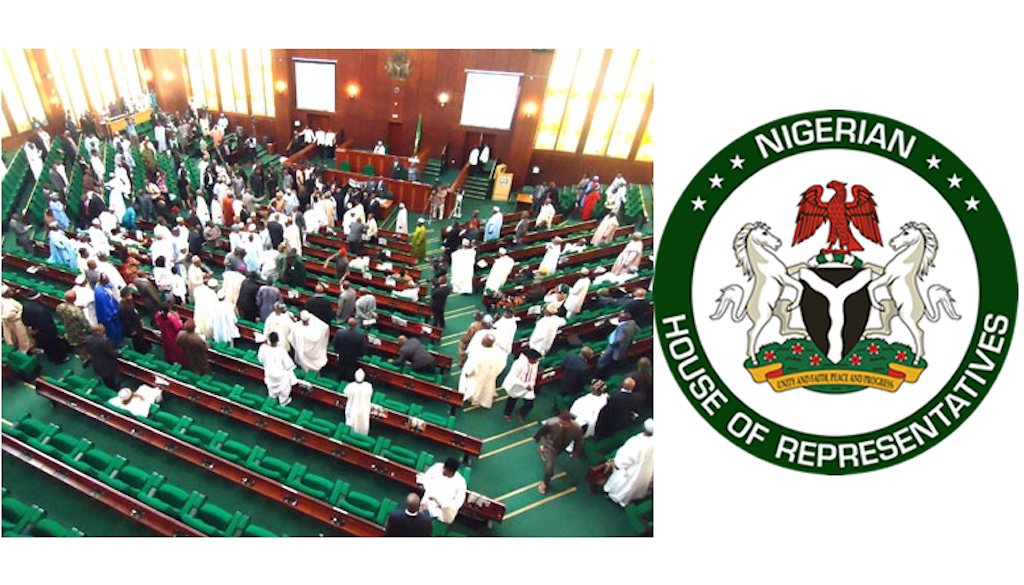
The House of Representatives is expected to vote today on 37 constitutional amendment bills covering wide-ranging reforms in Nigeria’s electoral system, judiciary, security architecture, local government administration, citizenship, human rights, fiscal accountability, and traditional institutions.
The proposed electoral reforms include provisions for independent candidacy in presidential, governorship, National Assembly, state assembly, and local government elections, with requirements for verified voter signatures and partial fee waivers for women candidates. Lawmakers will also consider strengthening State Independent Electoral Commissions by expanding their independence, tightening appointment criteria, and broadening their responsibilities to include voter education, campaign monitoring, party primaries, and referendums. Another key proposal is the creation of an Electoral Offences Commission to independently investigate and prosecute electoral crimes.
In the judicial sector, the bills seek to reduce the workload of the Supreme Court by requiring leave before most appeals can be heard, except in presidential election matters, while also introducing strict timelines for the resolution of appeals. Additional reforms include provisions allowing judges elevated to higher courts to conclude part-heard criminal cases and clarifying administrative leadership within the judiciary.
On security and policing, lawmakers will consider a proposal to establish State Police as part of a decentralised policing structure, alongside a bill placing funding for the Armed Forces on a first-line charge to improve financial autonomy.
Local government reforms feature prominently, including constitutional recognition of local governments as a full tier of government and the creation of independent State Auditors-General for Local Governments and area councils to strengthen financial oversight.
Citizenship and human rights proposals include gender-neutral citizenship by marriage with residency requirements, potential citizenship by investment subject to legislation, and the creation of special reserved seats for women in legislative bodies. Other human rights-related provisions strengthen child protection, environmental rights, and prohibit degrading treatment such as public parading of suspects. One of the bills also proposes replacing the death penalty with life imprisonment for pregnant women convicted of capital offences.
Legislative and governance reforms include institutionalising legislative bureaucracy within the Constitution, setting strict timelines for budget presentation, strengthening procedures for removing presiding officers of state assemblies, and removing executive transitional law-making powers.
Additional proposals cover devolution and institutional reforms, including moving tourism to the concurrent legislative list, mandating public disclosure of Auditor-General reports, and strengthening financial reporting requirements for government agencies. Civil service reforms are also included to ensure broader state representation in federal institutions.
On traditional institutions, the bills propose the establishment of State Councils of Traditional Rulers and a statutory funding framework to support traditional governance structures.
If passed, the 37 bills would significantly reshape Nigeria’s constitutional framework, particularly in governance structure, accountability mechanisms, and the balance of power between federal, state, and local institutions. The process still requires concurrence by the Senate and approval by state assemblies before any amendment becomes law.
