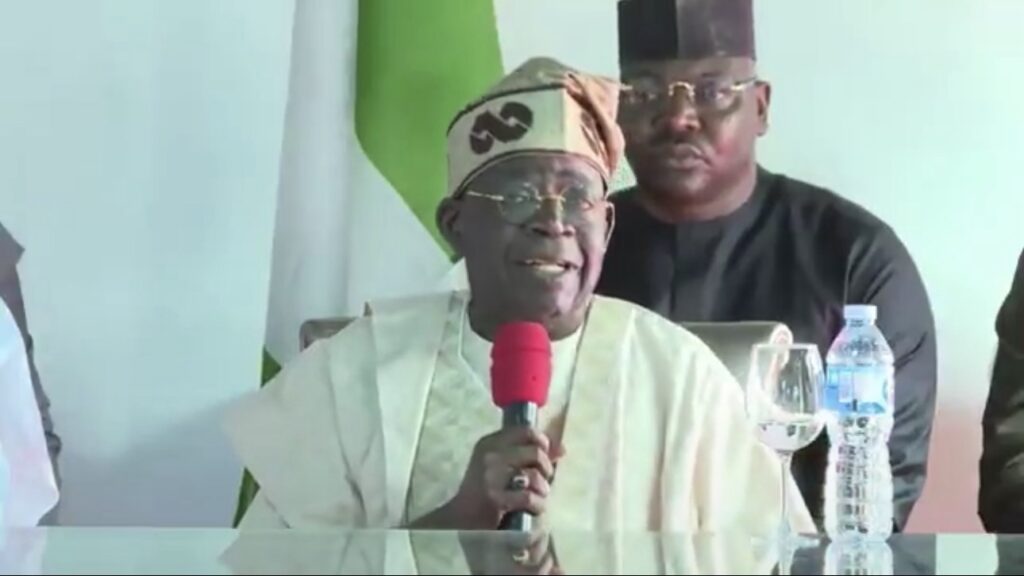
President Bola Ahmed Tinubu has defended his administration’s decision to remove fuel subsidy, stating that the policy saved Nigeria from bankruptcy and laid the foundation for economic recovery.
The President made the remarks on Friday while hosting state governors who paid him a Sallah homage and joined him in marking the third anniversary of his administration.
Tinubu acknowledged that the removal of fuel subsidy was a difficult decision that brought hardship to many Nigerians, but insisted it was necessary to rescue the nation from fiscal collapse and restore economic stability.
According to the President, despite criticism and legal challenges that followed the policy, the country has remained on a path of recovery, with positive signs emerging across key sectors of the economy.
“Instead of bankruptcy, Nigeria has survived. The economy has recovered. It is growing. Agriculture is booming,” Tinubu said.
He noted that ongoing reforms in infrastructure, agriculture, social investments, foreign exchange management and fiscal discipline are gradually restoring investor confidence and improving economic prospects.
The President also commended state governors for supporting the administration’s reform agenda and helping to maintain public trust during the transition period. He noted that many states are now in a stronger financial position and are less dependent on federal government interventions.
Tinubu expressed optimism that continued investments in roads, housing, agriculture and other critical sectors would further strengthen the economy and improve the welfare of Nigerians.
He assured citizens that his administration would remain focused on implementing people-centred policies aimed at reducing hardship, creating jobs, enhancing food security and promoting inclusive economic growth.
Vice President Kashim Shettima, who also spoke at the event, praised President Tinubu’s courage and determination in removing the fuel subsidy, describing the move as a bold step towards addressing long-standing structural challenges in the nation’s economy.
According to the Vice President, the decision reflected the President’s commitment to undertaking difficult but necessary reforms to secure Nigeria’s long-term economic stability and development.
