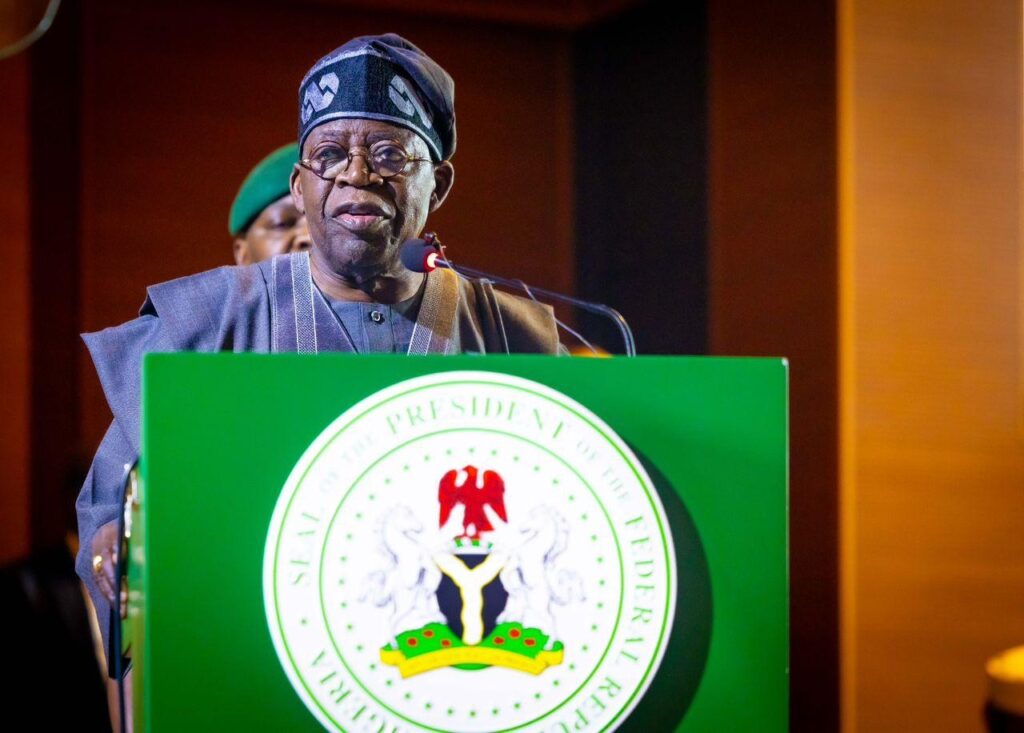
The Federal Government under the leadership of President Bola Ahmed Tinubu has unveiled plans to create economic opportunities for 37,000 women and youths across Nigeria’s dairy value chain as part of efforts to boost local production, reduce import dependence, and strengthen food security.
The initiative, announced by the Minister of Livestock Development, Alhaji Idi Maiha, will focus on dairy production, processing, marketing, skills development, enterprise integration, cooperative strengthening, access to finance, technology transfer, and sustainable livestock production.
Speaking during activities marking the 2026 World Milk Day celebration in Abuja, the minister said the programme is designed to empower women dairy farmers and young people, who remain critical stakeholders in Nigeria’s livestock and dairy sector.
According to him, the Federal Government is also considering the establishment of women-led milk aggregation and processing cooperatives to enhance local value addition, improve market access, and strengthen the country’s dairy ecosystem.
Maiha noted that women play a central role in milk production, preservation, processing, storage, and marketing, stressing that meaningful transformation of the dairy sector cannot be achieved without their inclusion and empowerment.
He further revealed that the government is developing gender-responsive policies and interventions aimed at improving dairy productivity, expanding enterprise opportunities, strengthening milk aggregation systems, and promoting sustainable growth within the sector.
The minister highlighted the significant gap between Nigeria’s annual dairy demand, estimated at 1.7 million metric tonnes, and local production, which currently stands between 600,000 and 700,000 metric tonnes. He noted that the shortfall contributes to an estimated $1.5 billion annual expenditure on dairy imports.
Maiha expressed confidence that the Tinubu administration’s strategic investments and reforms in the livestock sector would accelerate local production, create jobs, improve rural livelihoods, and drive economic growth.
The programme forms part of broader efforts by the Federal Government to transform Nigeria’s livestock industry into a major contributor to national development while expanding opportunities for women and young people across the agricultural value chain.
