The Federal Government has welcomed the International Monetary Fund’s (IMF) 2026 Article IV Mission Concluding Statement, describing it as an independent validation of the economic reforms implemented under President Bola Ahmed Tinubu’s administration.
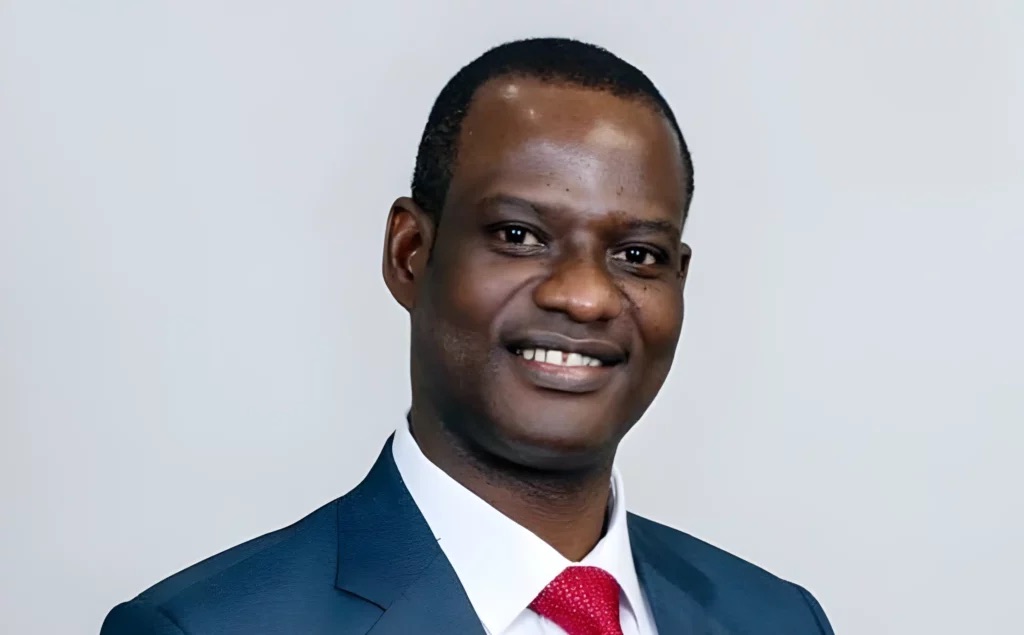
In a statement issued on Monday, the Minister of Finance and Coordinating Minister of the Economy, Taiwo Oyedele, said the IMF acknowledged improvements in Nigeria’s macroeconomic stability, foreign exchange market operations, fiscal management, external reserves, and banking sector resilience.
According to the government, the IMF recognised that key reforms—including the removal of fuel subsidies, the end of deficit monetisation, foreign exchange market liberalisation, and stronger fiscal discipline—have helped reduce economic vulnerabilities and restore investor confidence.
The Fund also noted that Nigeria has shown resilience amid global economic uncertainties, including the recent Middle East conflict, which has triggered higher energy prices, food costs, and supply chain disruptions worldwide.
The Federal Government said it remains committed to sustaining reforms, increasing oil and gas production, expanding domestic refining capacity, attracting investments, and strengthening social protection programmes to ensure that economic growth translates into improved living standards for Nigerians.
The IMF projects that Nigeria’s economy will continue to grow above four per cent over the medium term, supported by stronger fiscal revenues, rising investments, and improving external reserves. The government said these indicators reinforce confidence in the country’s long-term economic prospects.
