A renewed proposal seeking a single six-year term for Nigeria’s President and state governors has sparked nationwide debate over governance structure and democratic accountability.
The idea proposes replacing the current two-term system with a one-time six-year tenure for elected executives, aimed at reducing election pressure and improving governance focus.
Supporters argue the reform could reduce the cost of elections, limit constant political campaigning, and allow leaders to concentrate more on policy delivery and long-term planning.
However, critics warn that the proposal could raise concerns about tenure elongation and weaken electoral accountability if not properly safeguarded within Nigeria’s constitutional framework.
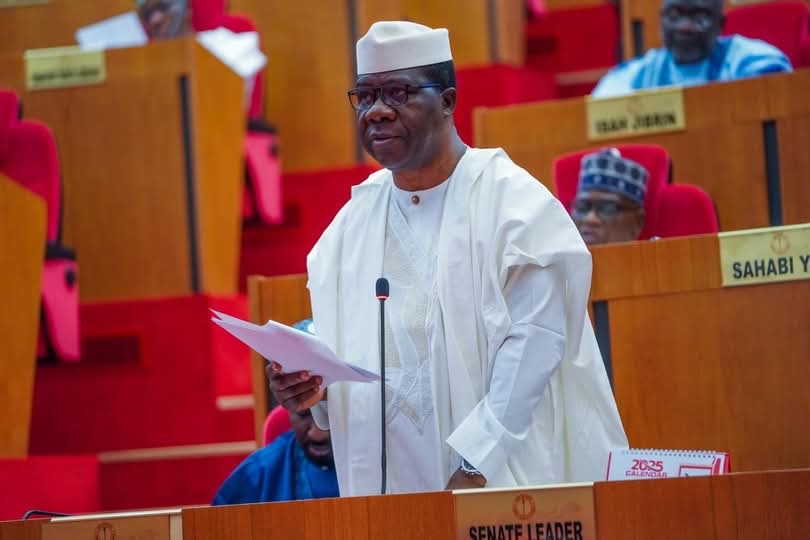
Speaking on the debate, Senate Leader Senator Opeyemi Bamidele said the discussion reflects ongoing efforts to review and strengthen Nigeria’s democratic and governance structures, while stressing the need for caution to avoid unintended constitutional consequences.
The debate has also triggered wider conversations on political reforms, institutional strength, and how best to balance leadership stability with democratic oversight in the country.
While the proposal is not new in constitutional reform discussions, it continues to resurface amid broader efforts to improve governance efficiency and political stability.
🔄 Follow For More Updates | jocomms.com 🇳🇬
