Nigeria and the United States have agreed to further deepen cooperation on security, counterterrorism, regional stability, and broader strategic relations.
This follows a three-day working visit to the United States by Nigeria’s National Security Adviser (NSA), Mallam Nuhu Ribadu, from May 4 to May 6, during which he held a series of high-level meetings with senior U.S. government officials.
Ribadu conveyed President Bola Ahmed Tinubu’s commitment to strengthening Nigeria’s long-standing strategic partnership with the United States and advancing shared priorities in security and development.
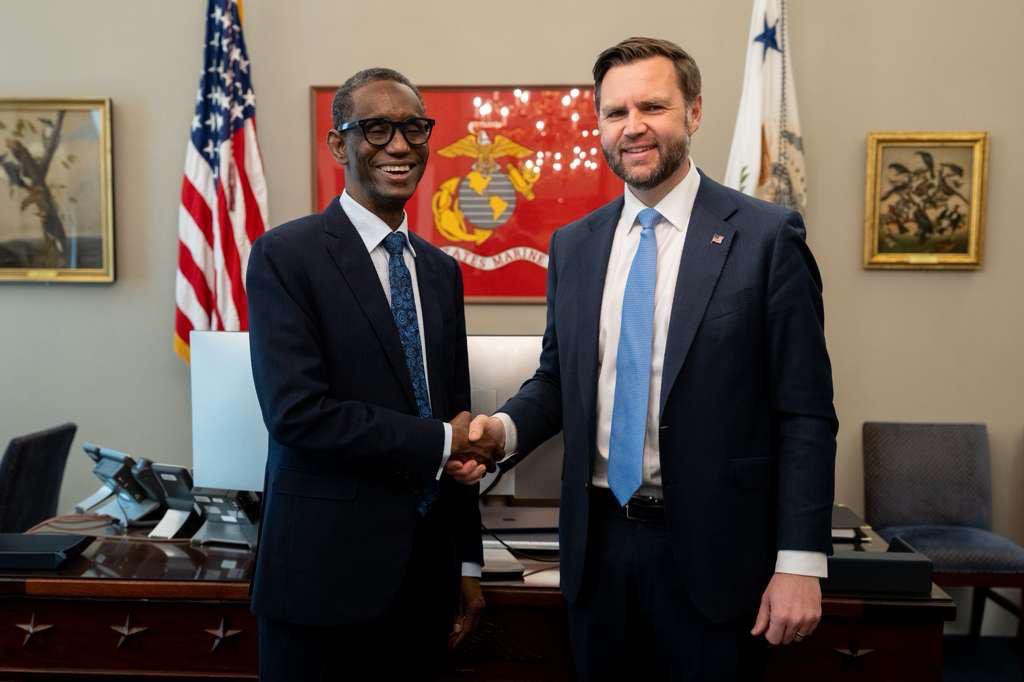
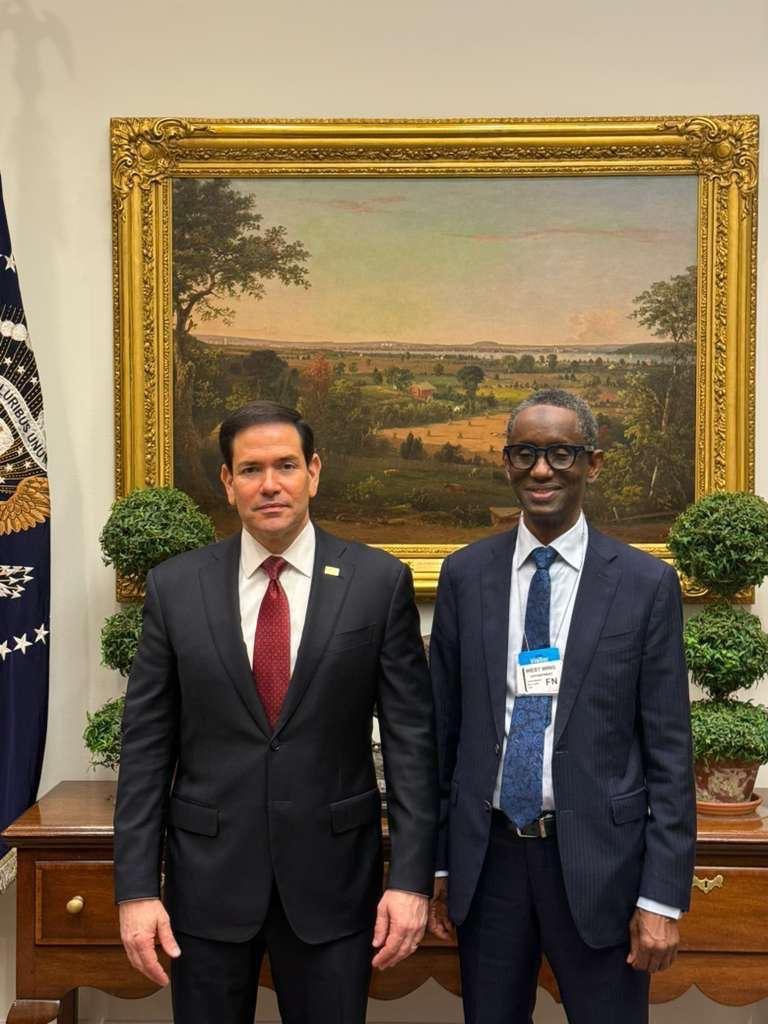
During the visit, the NSA met with U.S. Vice President J. D. Vance, Acting National Security Advisor and Secretary of State Marco Rubio, Under Secretary for Political Affairs Allison Hooker, and Assistant Secretary of War Daniel Zimmerim.
The discussions focused on consolidating bilateral cooperation in critical areas such as counterterrorism operations, defence collaboration, intelligence sharing, regional peace and security, economic resilience, and democratic governance.
Ribadu highlighted the importance of sustained joint efforts in tackling evolving security challenges across West Africa and the Sahel, including terrorism, violent extremism, cyber threats, and transnational organised crime.
He reaffirmed Nigeria’s commitment to working with international partners to promote stability, peace, and inclusive development across Africa, noting Nigeria’s central role in regional counterterrorism efforts, particularly in the Lake Chad Basin.
Both sides also reviewed the security situation in the Sahel region, stressing the need for stronger regional coordination and improved institutional capacity to address complex security threats.
At the U.S. Department of State, Ribadu met with Under Secretary for Political Affairs Allison Hooker, where he expressed appreciation for ongoing U.S. support in security assistance, intelligence cooperation, defence training, humanitarian response, and counterterrorism initiatives.
He also reiterated Nigeria’s commitment to implementing the Nigeria–U.S. Joint Working Group framework, designed to enhance structured cooperation on strategic security matters.
The two sides assessed progress under the framework and explored practical steps to boost intelligence sharing, military collaboration, border security, counterterrorism support, strategic communication, and capacity building for Nigerian security agencies.
Ribadu further briefed U.S. officials on Nigeria’s ongoing security reforms, which combine military operations with non-military approaches such as community engagement, economic empowerment, deradicalisation programmes, and regional collaboration.
U.S. officials, in turn, commended Nigeria’s leadership in regional peace and security efforts and reaffirmed Washington’s recognition of Nigeria as a key strategic partner in Africa.
Both countries restated their shared commitment to democratic values, regional stability, economic cooperation, and sustainable peace across West Africa and the Sahel.
The engagements concluded with both sides pledging to deepen diplomatic and security cooperation, strengthen institutional ties, and fully implement ongoing bilateral initiatives under the Joint Working Group arrangement.
Nigeria and the United States expressed optimism about the future of their partnership, reaffirming their resolve to work closely in addressing shared regional and global security challenges.