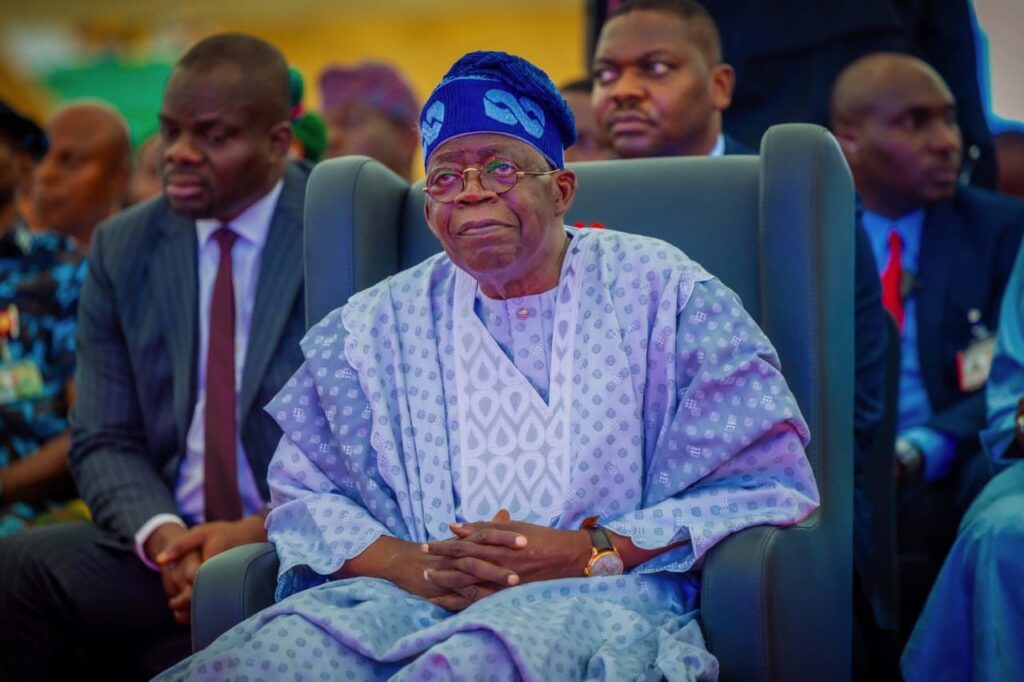
A political commentary by Joshua Ocheja is generating conversation across Nigeria’s political space, offering a striking characterization of President Bola Ahmed Tinubu and his approach to power and alliances.
In the widely circulated statement, Ocheja described politics as inherently transactional, arguing that loyalty and influence often operate within a system of mutual benefit and obligation. He portrayed Tinubu as a leader who treats political relationships as long-term investments, where support is expected to be reciprocated over time.
The commentary likened the President’s strategy to that of a “political venture capitalist,” suggesting that political capital is deployed with the expectation of future returns in loyalty and influence. According to Ocheja, this model transcends ethnic, religious, and party divides, emphasizing access and opportunity for those willing to align.
The remarks have sparked mixed reactions among political observers. Supporters say the analysis reflects Tinubu’s long-established reputation as a coalition builder and strategic power broker, while critics argue it reinforces concerns about transactional politics in Nigeria.
Although not an official statement, the commentary adds to ongoing discussions about the nature of political alliances and leadership style in Africa’s largest democracy, particularly as the country looks ahead to future electoral cycles.
