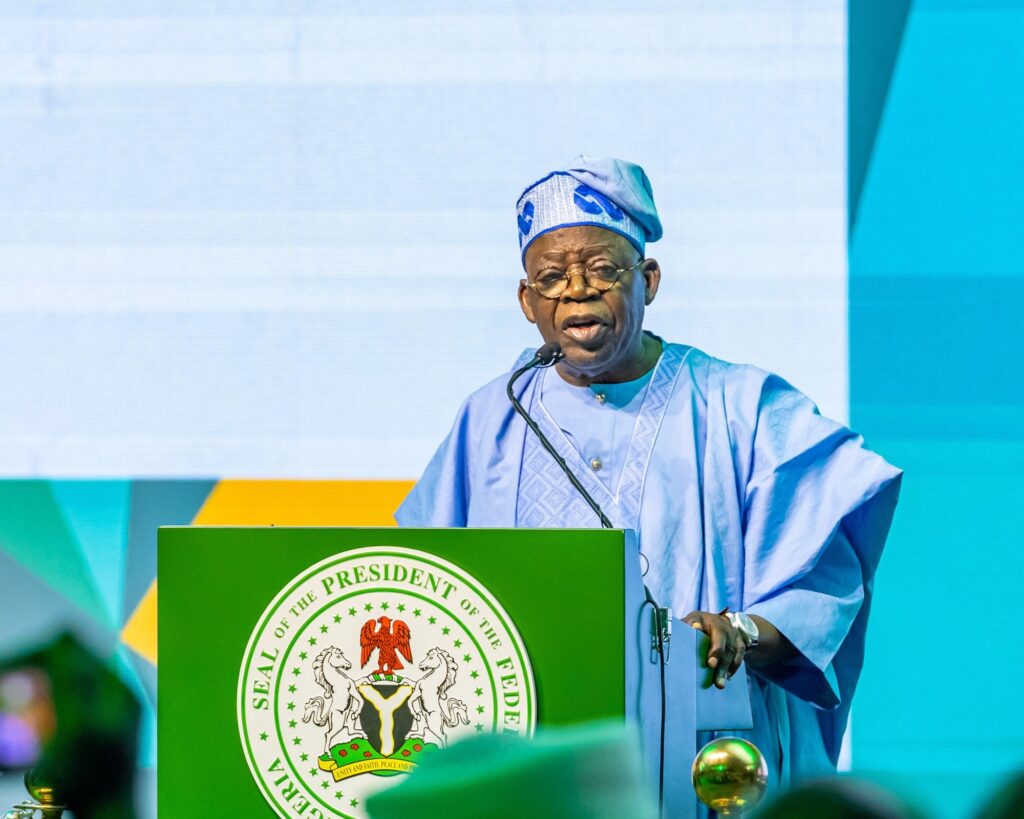
The administration of President Bola Ahmed Tinubu has outlined progress made in addressing Nigeria’s security challenges since assuming office on May 29, 2023, while acknowledging that significant concerns remain in parts of the country. Officials noted that despite the efforts of the previous government, insecurity was widespread across multiple regions at the time the current administration took over.
In the Southeast, authorities said the threat posed by the Indigenous People of Biafra (IPOB) had escalated, with frequent reports of kidnappings and violence disrupting normal life. While IPOB leader Nnamdi Kanu had already been arrested, alleged agitator Simon Ekpa was said to have continued coordinating attacks from abroad until his eventual apprehension, after which relative calm has reportedly returned to the region.
In the Northwest, the government pointed to renewed stability in previously troubled areas such as Birnin Gwari in Kaduna State. President Tinubu had earlier visited the community to reassure residents of his commitment to restoring peace. Authorities now claim the area has witnessed a resurgence in economic activity, with no recorded attacks in recent years, reflecting broader improvements across Kaduna and the wider Northwest.
The Southwest has also seen enhanced security, according to the report, following a period marked by bandit attacks, including the deadly church incident in Owo, Ondo State. Recent foreign travel advisories reportedly excluded Southwest states, which officials attribute to improved intelligence coordination led by the Office of the National Security Adviser.
In the South-South, the administration linked improved security conditions to increased oil production, now averaging 1.5 million barrels per day. This marks a recovery from earlier disruptions caused by oil theft and attacks on infrastructure, which had forced several international oil companies to suspend operations.
However, the government acknowledged that the Northcentral and Northeast regions remain areas of concern, even as the military continues to record operational gains. It stressed that the loss of lives remains a serious issue and a top priority for the President.
The administration also highlighted key reforms aimed at strengthening national security, including proposals for state police, increased budgetary allocations, the deployment of mining marshals, the establishment of forest guards, and the creation of Special Security Trust Funds. It emphasized that while challenges persist, ongoing efforts are focused on building a more secure and stable nation.
