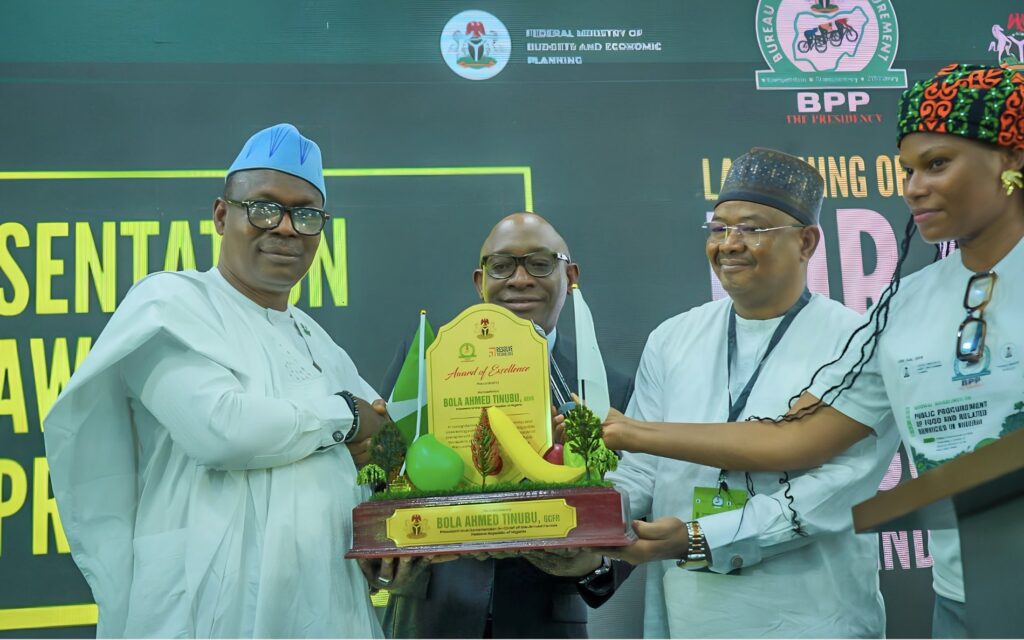


The Minister of State for Health and Social Welfare, Dr. Iziaq Adekunle Salako, has called on government institutions to use public procurement as a strategic tool for promoting healthier food systems, disease prevention and improved national well-being.
Speaking in Abuja at the launch of the National Guidelines for Public Procurement of Food and Related Services, Dr. Salako described the initiative as a major governance milestone that will strengthen nutrition, improve public health and encourage healthier food choices across public institutions.
He explained that the guidelines establish standards for procuring healthier food in government institutions, with the aim of improving nutrition, preventing diet-related diseases and promoting healthier communities.
The minister noted that as Nigeria’s largest institutional purchaser of food, the government is uniquely positioned to influence food production, improve nutrition standards and strengthen accountability throughout the food value chain.
Highlighting the country’s nutrition challenges, Dr. Salako said unhealthy diets contribute significantly to preventable diseases, while millions of Nigerian children continue to suffer from malnutrition, with severe consequences for public health and national development.
He stated that the new guidelines complement existing government initiatives, including the National Guideline for Sodium Reduction, the Trans-Fatty Acid Regulation, the Sugar-Sweetened Beverage Tax and the Nigeria Health Sector Renewal Investment Initiative.
Dr. Salako commended the Bureau of Public Procurement for leading the development of the guidelines in collaboration with relevant partners and urged procurement officers and heads of public institutions to view procurement as a strategic governance tool rather than a routine administrative process.
He reaffirmed the Federal Ministry of Health and Social Welfare’s commitment to working with stakeholders across the health, agriculture, nutrition and procurement sectors to ensure the effective implementation of the guidelines and improve the health of Nigerians through better food systems.
