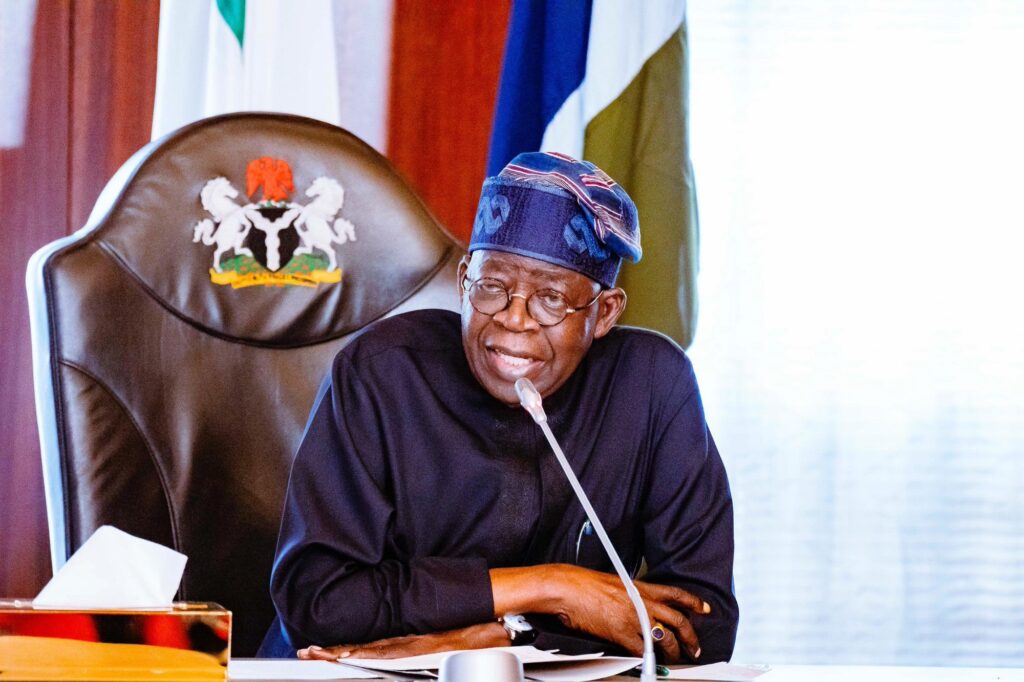
The Presidency has rejected calls by Peter Obi for President Bola Ahmed Tinubu to resign, describing the demand as politically misplaced, undemocratic, and a distraction from ongoing efforts to address national challenges.
In a statement issued by the Special Adviser to the President on Information and Strategy, Bayo Onanuga, the Presidency argued that comparisons between Nigeria’s presidential system and the resignation of a British Prime Minister were inappropriate, given the differences in the two countries’ political systems.
The statement maintained that recent electoral victories recorded by the All Progressives Congress (APC) in governorship and senatorial elections indicate continued public support for President Tinubu and his administration.
According to the Presidency, the administration has made progress in addressing insecurity through intensified military operations, the rescue of kidnapped victims, and efforts aimed at dismantling terrorist and criminal networks across the country.
On the economy, the Presidency highlighted improvements in key indicators, including GDP growth, increased oil production, stronger foreign reserves, higher government revenue, and renewed investor confidence, attributing these developments to ongoing economic reforms.
The statement also pointed to major infrastructure projects, including road and transportation initiatives, as evidence of the administration’s commitment to long-term national development.
In the education sector, the Presidency cited the implementation of the student loan programme and the relative stability of public universities as notable achievements, while also outlining measures being taken to improve electricity supply and expand energy access.
While acknowledging the economic difficulties facing many Nigerians, the Presidency said the administration remains focused on implementing reforms designed to promote growth, stability, and improved living conditions.
The statement concluded that Obi’s call for the President’s resignation failed to reflect the progress recorded in key sectors and amounted to a political critique rather than a fair assessment of the administration’s performance.
