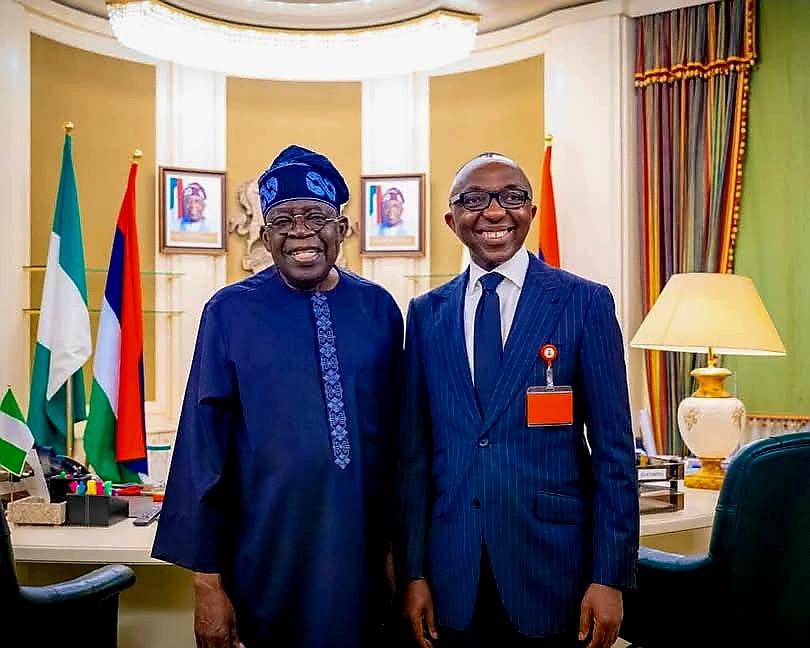
The Managing Director and Chief Executive Officer of the Ministry of Finance Incorporated (MOFI), Dr. Armstrong Ume Takang, has said that democracy remains the bedrock of institutional development and sustainable economic growth in Nigeria.
Speaking in Abuja during the 2026 Democracy Day celebration, Takang noted that Nigeria’s democratic system has provided the stability, accountability, and policy continuity required to drive reforms across key sectors of the economy.
According to him, democratic governance creates an enabling environment for strengthening public institutions, improving transparency, and unlocking value from government-owned assets for the benefit of citizens.
He said ongoing public sector reforms demonstrate the opportunities that emerge when leadership is guided by long-term planning and a commitment to national development.
“Democracy provides the foundation for institutional growth and economic progress. The ongoing reforms within the public sector, particularly efforts to unlock value from government-owned assets, demonstrate the possibilities that emerge when leadership is guided by a long-term vision and commitment to national development,” Takang stated.
The MOFI chief congratulated President Bola Ahmed Tinubu, Vice President Kashim Shettima, and Nigerians on the occasion of Democracy Day, describing the annual celebration as a reflection of the country’s democratic journey and the sacrifices made by those who fought for civilian rule.
He said Democracy Day remains a symbol of the triumph of the people’s will and a testament to the resilience of Nigeria’s democratic institutions over the years.
Takang also commended the Tinubu administration for pursuing economic and institutional reforms aimed at strengthening the foundations of the Nigerian economy and improving the efficiency of public institutions.
He highlighted the transformation of MOFI into a strategic asset management institution as one of the administration’s key reform achievements, noting that the agency is now focused on preserving, growing, and optimizing the value of the Federal Government’s commercial assets.
According to him, the repositioning of MOFI is expected to enhance value creation, improve returns on government investments, and contribute to broader national economic development.
He reaffirmed the agency’s commitment to supporting reforms that promote transparency, accountability, and sustainable growth, while ensuring that government-owned assets are managed in a manner that delivers long-term benefits for Nigerians.
